

Luxury brand activations in 2026 prioritize intimate, personalized experiences over mass-market scale. Research shows 91% of consumers are more likely to purchase after participating in brand experiences, making live activations exceptionally effective for building loyalty.
As the luxury market rebounds with projected 3-5% growth, brands are shifting toward curated, community-driven activations that create lasting emotional connections. Here are the 10 activation ideas redefining luxury brand engagement in 2026.
For a deeper foundation, explore our ultimate guide to live event activations for insights on how personalization transforms modern luxury experiences.
Live Calligraphy and On-Site Personalization
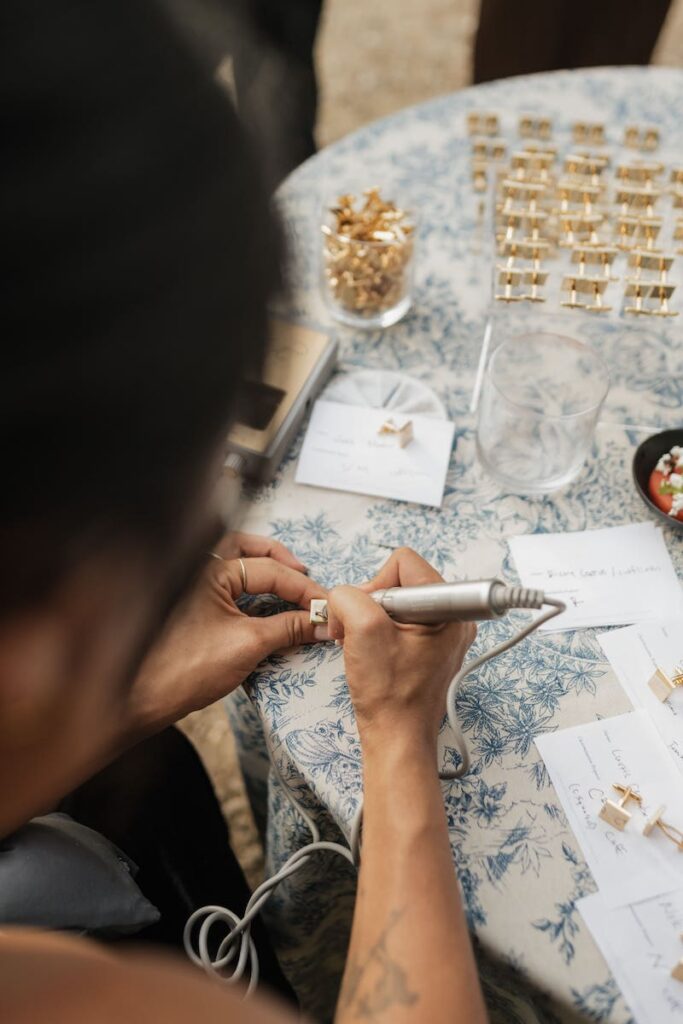
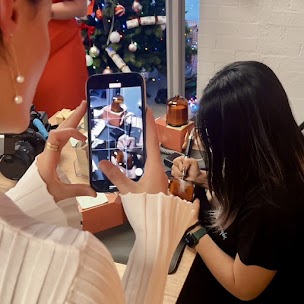
Watching a calligrapher hand-letter your name on a luxury purchase creates an emotional connection no digital experience can match. Live calligraphy and on-site personalization have emerged as powerful activation tools because they offer something increasingly rare in our digital-first world: the human touch, crafted in real-time, just for you.
Learn how professional artists prepare and execute on-site activations with our brand activation checklist for live artists perfect for ensuring seamless event-day flow.
What Makes Live Personalization Effective
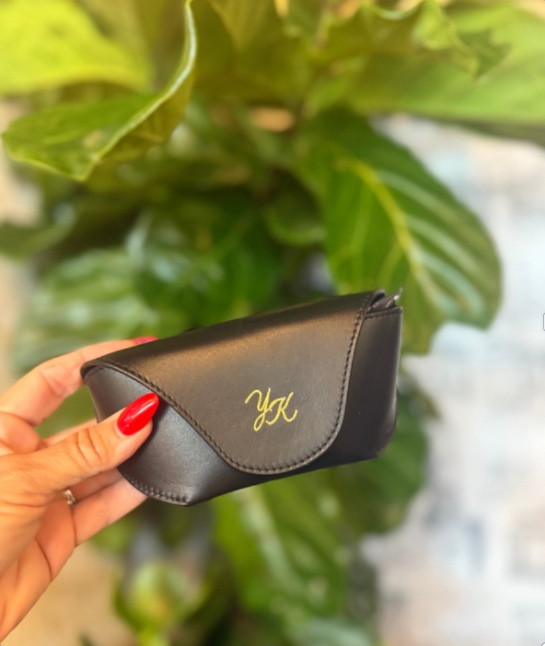
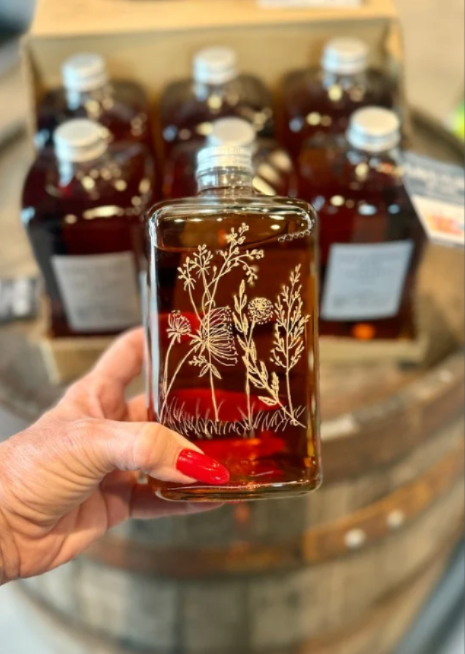
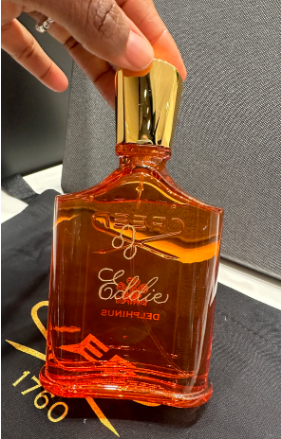
The appeal lies in the tangible artistry. Guests witness skilled artisans engraving names on perfume bottles, painting monograms on leather goods, or applying gold foil to luxury packaging.
The quiet hum of the engraving tool, the precise brush strokes of ink catching light, the reveal of a finished piece these sensory moments create memories that guests associate with your brand long after the event ends. Research shows emotionally aligned brands grow 2.2 times faster than those focused solely on product, making artisan personalization a strategic investment.
Discover more about the impact of personalization on the guest experience and why sensory storytelling is essential for emotional brand loyalty.
Best Applications for Luxury Brands
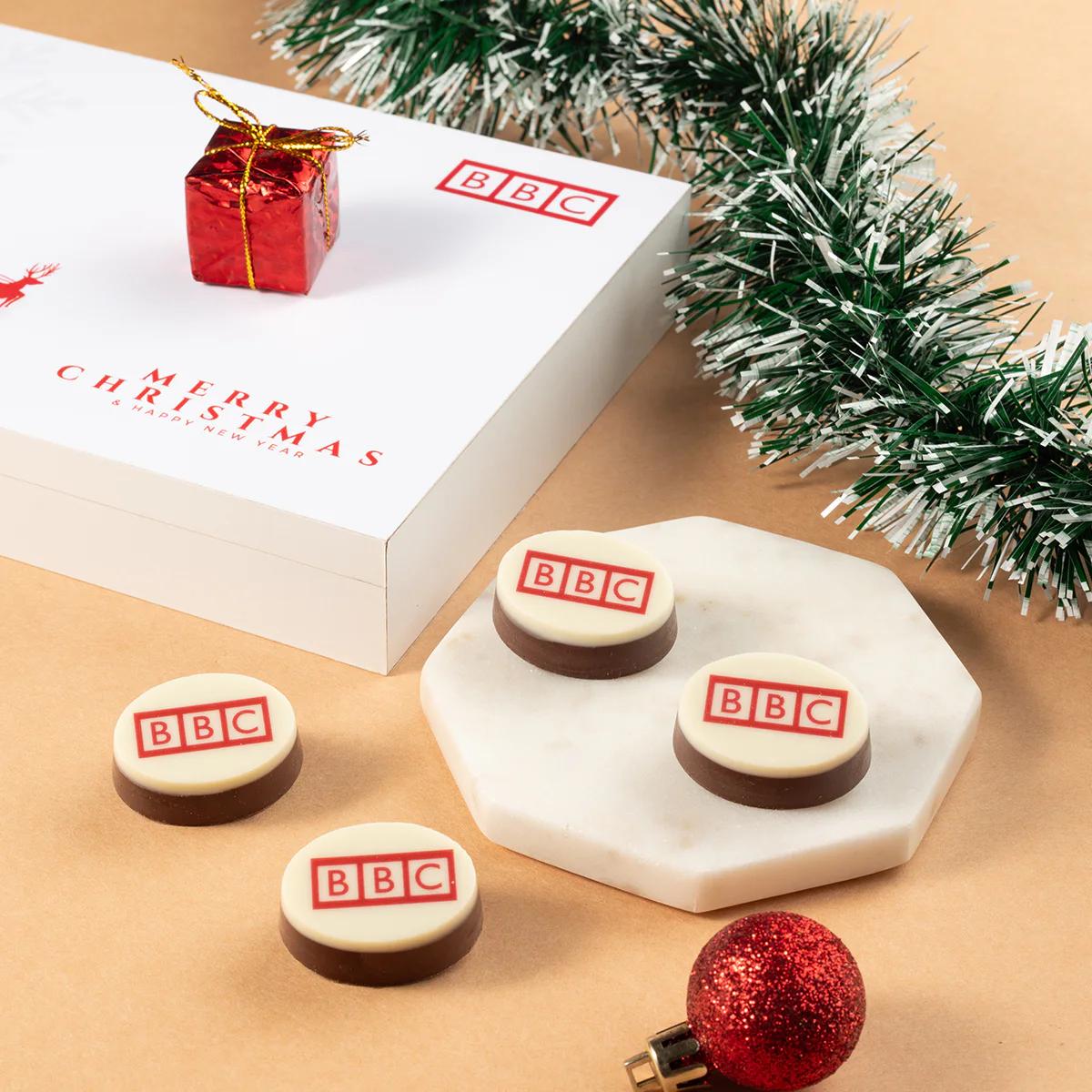
Live calligraphy services work exceptionally well for fragrance launches, fashion boutique openings, VIP gifting events, and corporate brand activations. Brands like Dior, Tiffany, and Estée Lauder regularly feature on-site engraving at retail pop-ups and product launches. Guests can personalize everything from cosmetic pouches and leather wallets to wine bottles and glass ornaments, transforming standard purchases into cherished keepsakes.
For example, integrating glass engraving and hot foiling techniques elevates packaging aesthetics while reinforcing craftsmanship.
Implementation Considerations
Budget 3-6 hours for intimate activations or full-day coverage for high-traffic events. Professional luxury calligraphers typically bring portable, quiet tools ideal for elegant settings. The key is seamless integration calligraphy stations should feel like part of the brand experience, not a gimmick tacked on. Partner with experienced artisans who understand luxury aesthetics and can work efficiently without sacrificing quality. While artisan crafts provide tactile luxury, technology is transforming how brands tell immersive stories.
AR and VR Immersive Brand Worlds
Luxury brands are embracing AR and VR as refined storytelling tools. Augmented reality overlays let guests access product provenance notes through their phones without altering the aesthetic. Point your device at a handbag to see the artisan who crafted it and styling suggestions.
VR for Immersive Storytelling
Virtual reality transports guests to brand heritage sites or manufacturing ateliers. By 2026, over 80% of luxury brands are integrating AI into VR platforms for hyper-personalized experiences. A watch brand might offer VR tours of Swiss workshops where master watchmakers explain complications.
Maintaining Luxury Aesthetics with Technology
The key is discretion. Luxury activations avoid clunky headsets in favor of sleek Apple Vision Pro experiences or smartphone-based AR. Technology should feel invisible and optional—never mandatory. The best implementations enhance experiences for curious guests while maintaining physical elegance for traditionalists. Technology enhances the experience, but the most coveted activations remain invitation-only.
Invite-Only VIP Experiences and Exclusive Access
The most powerful luxury activations aren’t advertised they’re whispered about. Exclusivity creates desire, and in 2026, brands are doubling down on invitation-only experiences that make guests feel genuinely chosen.
Pair these private moments with bespoke gifting through our luxury gifting concierge service designed for elevated, high-touch client experiences.
The Power of Scarcity in Luxury Marketing
Consider that Net-a-Porter’s VIP list represents just 3% of customers but accounts for 40% of sales. These clients shop 12 times more often than average customers because they receive private previews, personal shoppers, and premium delivery. The psychology is clear: when people feel part of an elite group, they develop stronger brand loyalty and higher lifetime value.
Formats That Create Exclusivity
Successful exclusive activations include private product previews before public launches, backstage access to fashion shows or creative director meet-and-greets, hidden lounges within larger events accessible only with special credentials, coded invitations that reveal location details days before the event, and surprise reveals where even VIP guests don’t know exactly what to expect. Luxury pop-ups are redefining exclusivity by offering VIP-only coffee tastings, ambassador talks, and early access perks that add layers of privilege.
Data-Driven Guest Curation
Luxury brands now use purchase history, engagement data, and behavioral patterns to curate guest lists with precision. This isn’t about excluding people arbitrarily—it’s about creating events where every attendee shares relevant interests, spending capacity, or brand affinity. The result is activations where guests naturally network with peers, creating organic community rather than forced networking. Exclusivity sets the stage, but micro-events deepen the connection.
Micro-Events and Intimate Gatherings Over Large-Scale Activations
Luxury brands in 2026 are choosing 50 meaningful conversations over 500 surface interactions. The shift toward micro-events reflects changing expectations: affluent consumers want to feel known, not counted.
Why Smaller Is More Impactful
Micro-events typically host fewer than 50-150 participants, prioritizing personalization and high-value experiences over scale. Industry forecasts highlight curated, exclusive design as a key shift in audience expectations. Chanel holds intimate events at flagship boutiques in Paris, New York, and Tokyo, reserved for top clients and selected press. These smaller activations allow attendees an up-close, personalized experience with collections, reinforcing exclusivity and generating genuine desire.
The Serial Micro-Event Strategy
Instead of one massive summit, forward-thinking brands host connected micro-events scattered across a season. A luxury skincare brand might organize a series of 30-person dinners in different cities, each featuring a dermatologist and personalized skin consultations. A watch manufacturer could hold intimate collector gatherings in five markets, building anticipation and community through scarcity and repetition.
Creating Continuity Across Multiple Touchpoints
The power of serial micro-events lies in the narrative arc. Each gathering builds on the previous, creating a sense of journey for attendees. Guests who attend multiple events become brand ambassadors, sharing their insider status with others. This strategy also allows brands to test concepts, gather feedback, and refine experiences before scaling. Intimacy drives loyalty, but sensory design makes experiences unforgettable.
Multi-Sensory Activations That Engage All Five Senses
The scent of Italian leather, the weight of crystal stemware, the sound of a live string quartet—luxury activations in 2026 understand that memory lives in the senses. Multi-sensory design creates holistic experiences that guests recall for years.
Why Scent Matters Most
Research in sensory marketing shows people remember only 5% of what they see and 2% of what they hear, but recall 25% of what they smell. This explains why luxury hotels invest in signature scents and why smart brands are incorporating custom fragrances into activations. A champagne house might diffuse subtle notes of citrus and oak at a tasting event. A fashion brand could use jasmine and sandalwood to evoke its Mediterranean heritage.
Designing Cohesive Sensory Journeys
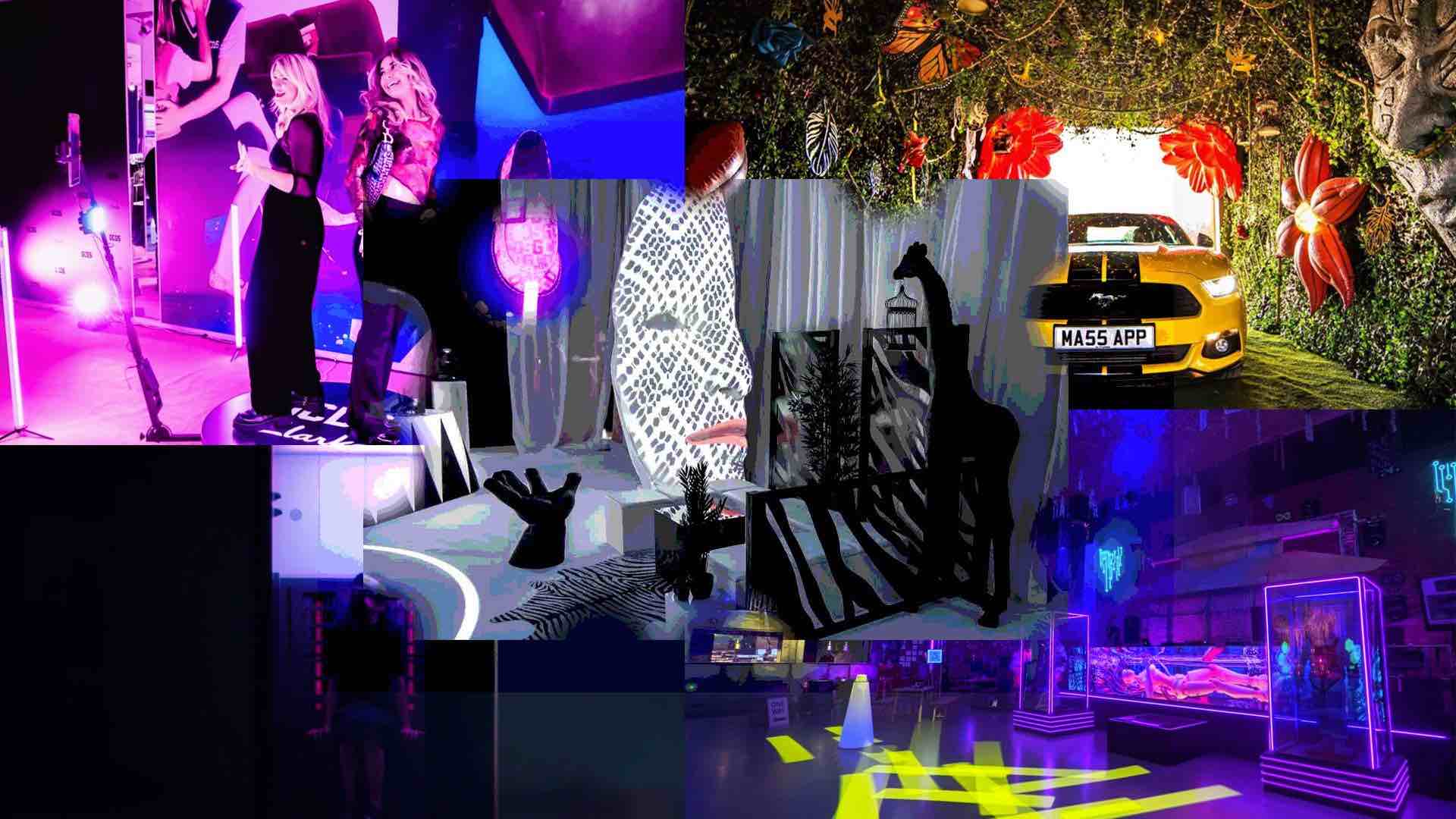
The best multi-sensory activations layer experiences thoughtfully. Sight might include projection-mapped environments that change between courses. Sound could involve object-based audio that creates three-dimensional soundscapes without raising volume.
Touch invites guests to experience textural decor, luxe fabrics, and hands-on product interaction. Taste features nutritionist-designed menus with ingredients specifically chosen for energy-sustaining properties. Smell incorporates brand-defining scents that guests will recall in daily life.
Avoiding Sensory Overload
The risk with multi-sensory design is overwhelming guests. The solution is coherence every sensory element should support the brand story, not compete for attention. A luxury automotive brand activation might use the smell of leather, the sound of a purring engine, the sight of ambient lighting reflecting off polished metal, the taste of whiskey aged in barrels made from the same wood as interior trim.
Each element reinforces the others, creating harmony rather than chaos. Sensory immersion captivates guests, but sustainability signals brand values.
Sustainable and Eco-Conscious Luxury Activations
In 2026, sustainability isn’t a constraint it’s a creative catalyst. Sixty percent of event organizers include sustainability requirements in RFPs, with brands responding through zero-waste design, reusable installations, and locally sourced materials.
Eco-Luxury Materials and Design
Forward-thinking brands use reclaimed wood structures that can be repurposed, biodegradable decor, recycled materials transformed into artistic displays, and locally sourced seasonal menus. A luxury beauty brand might use product packaging that doubles as event decor, then gift it to attendees.
Communicating Sustainability Without Virtue Signaling
The brands succeeding let the work speak for itself. They weave environmental consciousness into experiences naturally rather than plastering “sustainable” messaging everywhere. When guests ask about gorgeous table settings, they learn they’re made from recycled ocean plastic.
This understated approach maintains luxury positioning while demonstrating genuine commitment. Conscious design builds trust, but artisan collaborations build cultural capital.
Artisan and Cultural Collaborations
Luxury brands are partnering with master artisans to transform activations into living exhibitions of craftsmanship. These collaborations anchor luxury in authenticity, creating emotional resonance that mass production cannot match.
Live Artisan Demonstrations
Live demonstrations from leatherworkers, perfumers, or master chocolatiers create compelling theater while educating guests about craft. Watching a master glassblower shape a decanter or a cobbler hand-stitch a boot sole provides tangible proof of quality and heritage.
These demonstrations work best when artisans can interact with guests, answer questions, and share stories about their craft.
Museum and Gallery Partnerships
Collaborating with cultural institutions adds prestige and context. A luxury watch brand might partner with a horological museum for an exhibition on timepiece history. A fashion house could work with a contemporary art gallery to showcase archival pieces alongside modern art. These partnerships position brands as cultural contributors, not just commercial entities.
Storytelling Through Cultural Heritage
The most powerful artisan collaborations tell authentic stories about brand heritage and craftsmanship traditions. Hand engraving services, traditional calligraphy, and other artisan techniques connect modern luxury to centuries-old traditions.
When guests see a corporate calligrapher practicing skills passed down through generations, they understand luxury as something earned through mastery, not manufactured through marketing. Craft creates connection, but AI personalizes the journey.
AI-Powered Personalization and Guest Data Integration
The best luxury activations use AI to understand guests deeply, then deliver experiences that feel entirely human. Brands analyze purchase history, browsing behavior, and engagement patterns to create hyper-personalized activations. Imagine arriving where the welcome cocktail matches your preferred spirits, seating places you near similar clients, and product recommendations reflect items you’ve browsed.
Balancing Automation with Human Touch
AI handles analysis and recommendations, but humans deliver the experience. A brand might use AI to identify which VIP clients should receive early collection access, but the invitation comes from their personal sales associate with a handwritten note.
Privacy and Transparency
Luxury consumers expect transparency about data use. Smart brands communicate clearly how they collect and use information, offering control and opt-outs. When done right, guests feel understood, not surveilled. Personalization deepens engagement, but wellness elements sustain it.
Wellness-Centered Activations and Restorative Experiences
Luxury brands in 2026 recognize that true indulgence includes rest, not just stimulation. Wellness has infiltrated luxury events, with multi-day activations now including meditation rooms, silent-disco meditation sessions, aromatherapy stations, VR calm spaces, and yoga breaks between programming.
Wellness as Brand Positioning
Wellness elements position brands as caring about guest wellbeing beyond the transaction. When a fashion house provides energizing meals rather than heavy catering, they signal sophistication. Guests associate the brand with restoration and self-care, creating positive emotional anchors.
For multi-day events, wellness integration prevents fatigue and maintains engagement through quiet rooms, gentler afternoon programming, and nutritionist-designed menus. Wellness nourishes the guest experience, and hybrid integration extends the reach.
Hybrid Event Integration for Extended Reach
The most successful 2026 activations create digital extensions that deepen relationships. Every in-person luxury activation should have a digital echo: livestreamed portions for wider audiences, app-based exclusive content for attendees, post-event digital experiences, or members-only digital communities.
Maintaining Exclusivity in Hybrid Formats
Tiered access prevents dilution. In-person attendees get the full experience. Virtual attendees access curated highlights. Post-event content is gated for brand members only. A luxury watch brand might livestream a panel discussion but reserve the private dinner for in-person VIPs.
Send personalized photo galleries post-event, offer exclusive online access to products showcased, and create digital lookbooks inspired by event conversations. Together, these 10 activation ideas represent the future of luxury brand engagement.
Creating Luxury Activations That Build Lasting Brand Loyalty
The shift toward intimate, personalized, multi-sensory, and values-driven activations reflects a fundamental truth about luxury in 2026: meaning matters more than scale. The brands winning ultra-high-net-worth loyalty are those creating experiences that feel rare, intentional, and deeply human.
Whether through live calligraphy personalization, immersive VR storytelling, invitation-only gatherings, or wellness-centered design, the common thread is authentic connection. Start with one or two activation ideas that align with your brand values and audience expectations. Test, refine, and scale what resonates.
The most memorable luxury experiences aren’t always the most expensive or elaborate they’re the ones that make guests feel truly seen, valued, and part of something exclusive. Choose activations that reflect your brand’s unique story, because in luxury, authenticity always resonates.
To bring these experiences to life, connect with Carla Schall’s live calligraphy and engraving services for events that blend artistry, personalization, and emotional storytelling.
Frequently Asked Questions
The most effective strategies combine intimate scale with personalization, such as micro-events with fewer than 150 guests, live artisan demonstrations, AI-powered guest experiences, and multi-sensory design. Invitation-only formats and sustainable luxury activations also drive significant engagement and brand loyalty among affluent audiences.
Professional luxury calligraphy services typically range based on event duration and complexity. Intimate 3-hour activations start around one price point, while full-day corporate events with multiple calligraphers cost more. Pricing includes setup, materials, and on-site personalization of luxury goods like perfume bottles, leather items, and packaging.
Micro-events create meaningful one-on-one connections that drive loyalty. With curated guest lists of 30-150 people, brands can personalize every touchpoint, from welcome gifts to seating arrangements. Research shows micro-communities generate 4.2 times higher engagement and 2.7 times higher purchase intent than broad audiences, making intimate gatherings more cost-effective for building ultra-high-net-worth relationships.
Luxury brands make sustainability feel premium through reusable installations, locally sourced materials, zero-waste design, and circular event strategies. Rather than compromising aesthetics, eco-conscious activations use biodegradable decor, reclaimed materials transformed into art, and seasonal menus that reduce carbon footprint while elevating the guest experience through intentional, refined design choices.
AI analyzes guest data including purchase history, preferences, and engagement patterns to inform personalized recommendations, curated invitations, and tailored event elements. However, the technology remains invisible while humans deliver the actual experience. AI helps brands understand what each guest values, then personal sales associates or event teams execute with authentic, human touch that makes guests feel genuinely understood.
About the Author:
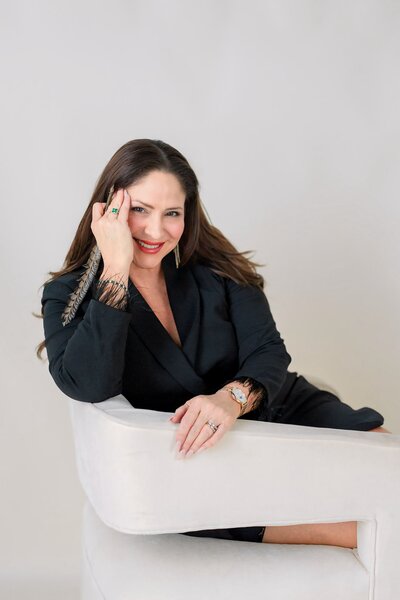
Carla Schall is a Florida-based luxury calligrapher and live event artist with over 16 years of experience crafting bespoke artwork for weddings, brands, and personal commissions. Her work has appeared in high-profile events across Miami, Tampa, and Palm Beach, where her philosophy remains simple: beauty heals, and art connects.