

The terms calligraphy and brush lettering are used interchangeably across social media, art supply stores, and workshop listings so frequently that the distinction between them has become genuinely blurred for most people entering the craft.
They are not the same thing. Understanding the difference between calligraphy vs brush lettering matters because it shapes which tools you buy, which techniques you practice, and what kind of professional or personal applications you pursue. This guide draws a clear line between both and explains where that line gets intentionally blurred in contemporary practice.
Defining Calligraphy
Calligraphy is the art of beautiful, skilled handwriting. In its classical definition, it encompasses any writing system practiced with discipline and aesthetic intention. But in practical Western usage today, calligraphy typically refers to scripts written with a specific type of pen (pointed dip pen, broad-edged nib, or quill) following defined historical or contemporary style systems.
The defining characteristic of traditional calligraphy is that it follows rules. Copperplate has a defined slant angle, specific pressure mechanics, consistent letter proportions, and a recognizable aesthetic that trained practitioners can identify immediately. Gothic has its nib angle, minim spacing, and letterform geometry. Italic has its oval compression, arch branching points, and x-height ratios.
These rules are not arbitrary. They were developed over centuries of scribal practice to optimize legibility, beauty, and mechanical efficiency in writing. Learning calligraphy means learning those rules and then executing them with sufficient precision and speed to produce consistent, beautiful work.
Defining Brush Lettering
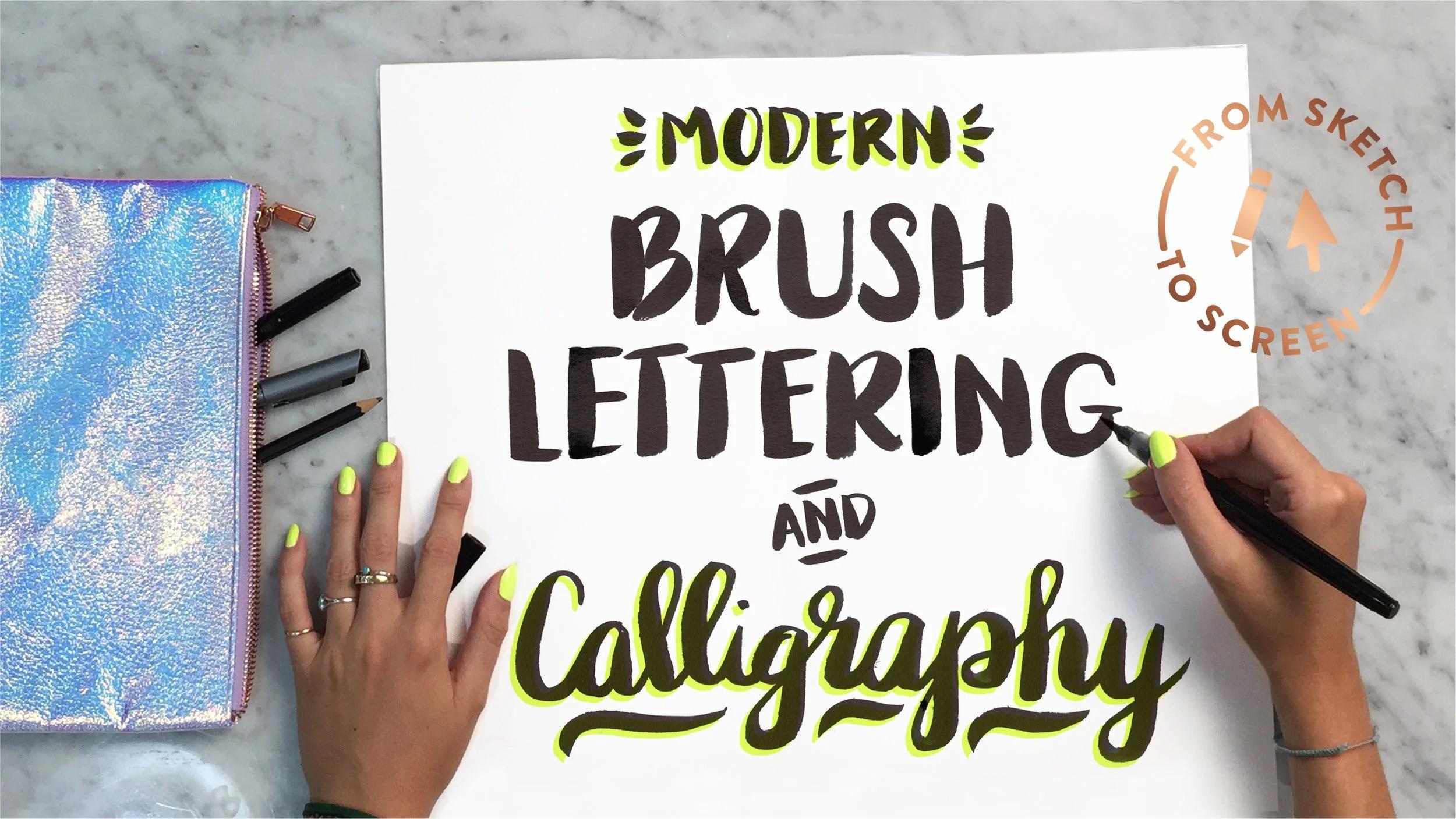
Brush lettering refers to the practice of creating letterforms using a brush, whether a traditional pointed watercolor brush, a flexible-tip brush pen, or a foam brush. The defining characteristic of brush lettering is that it uses pressure variation on a brush tip to create thick downstrokes and thin upstrokes, mimicking the visual dynamic of pointed pen calligraphy.
Brush lettering emerged as a distinct practice category largely through social media in the early 2010s, facilitated by the rise of affordable brush pens that made the thick-thin stroke dynamic accessible to anyone without calligraphy training or equipment.
The important distinction is that brush lettering does not require adherence to a specific letterform system. Most brush lettering is a free, personal interpretation of cursive or print letterforms rather than an execution of a defined historical or contemporary calligraphic style.
The Technical Differences
The mechanical differences between calligraphy and brush lettering are significant and affect everything from tool selection to learning methodology.
Tools
Traditional calligraphy uses a pointed nib (for copperplate and Spencerian) or a broad-edged nib (for italic, gothic, foundational) inserted into a pen holder and dipped into ink. The nib is a rigid metal instrument that responds to precise pressure changes in predictable, structured ways.
Brush lettering uses a flexible brush tip that bends and splays under pressure. This elasticity gives brush lettering a more forgiving, gestural quality than dip pen calligraphy. Minor inconsistencies in pressure are absorbed by the brush tip’s flexibility in a way that a metal nib cannot accommodate.
Technique
In pointed pen calligraphy, every stroke is categorized as either an upstroke (light pressure, hairline) or a downstroke (heavy pressure, thick line). The transition between these categories is managed through deliberate pressure application and release. This technique is learned systematically through stroke drills and letter practice.
In brush lettering, the same general principle applies (pressure on down, release on up) but the execution is considerably more gestural. Many brush lettering artists write with an intuitive, almost automatic fluency that does not reflect conscious pressure management as much as accumulated muscle memory from repetitive practice.
Rule Systems
Traditional calligraphy follows defined style systems. Copperplate has rules. Gothic has rules. Italic has rules. These rules govern not just letterform shape but also nib angle, letter spacing, weight ratios, and slant consistency.
Brush lettering has no comparable canonical rule system. Style guides and brush lettering workbooks suggest conventions for certain aesthetic approaches, but there is no recognized historical or technical framework that defines “correct” brush lettering in the way that established calligraphy styles are defined.
The Historical Context
Traditional calligraphy has a history stretching back thousands of years across multiple civilizations. Chinese, Arabic, Greek, Roman, and medieval European scribal traditions all developed sophisticated calligraphic systems with documented pedagogical lineages.
Brush lettering as a distinct Western practice category is essentially a 21st-century phenomenon, even though brush-based writing traditions have existed in East Asian culture for millennia. Western brush lettering as practiced and marketed today is a contemporary creative movement rather than a historical craft tradition.
This distinction matters for learners because traditional calligraphy offers access to centuries of documented technique, historical models, and pedagogical tradition. Brush lettering offers creative freedom and immediate accessibility but lacks the same depth of technical reference.
Where They Overlap
The line between calligraphy and brush lettering blurs significantly in modern practice, and deliberately so.
Many contemporary calligraphers use brush pens as part of their toolkit, particularly for loose, expressive work that complements their more formal pointed pen practice. Many brush lettering artists incorporate traditional calligraphic letterform principles into their work to add structure and visual coherence.
Modern calligraphy, which emerged as a named style in the early 2010s, is itself a hybrid category. It applies traditional pointed pen pressure mechanics to loosely interpreted letterforms that draw as much from brush lettering aesthetics as from historical calligraphy models.
This hybridization is not a dilution of either craft. It reflects the natural evolution of creative traditions in dialogue with each other, and it has produced some genuinely beautiful and commercially successful work.
The conversation about hand calligraphy vs digital lettering provides useful context for understanding where both brush lettering and traditional calligraphy sit relative to digitally produced letterforms in contemporary design and branding.
Which Should You Learn First?
For someone whose primary goal is personal expression, social media content, journaling, and casual lettering projects, brush lettering with a quality brush pen is the faster path to satisfying results.
For someone whose goal is formal stationery, professional event work, historical penmanship, or developing a comprehensive technical foundation, traditional calligraphy provides superior long-term value despite a steeper initial learning curve.
The two crafts are not mutually exclusive. Many professional lettering artists practice both and draw from each depending on the specific project. But they require different tools, different study approaches, and different mental frameworks.
What Learning Brush Lettering First Does to Your Calligraphy
Many beginners start with brush pens and then transition to pointed pen calligraphy. The transition is manageable but not frictionless. Brush lettering develops useful pressure sensitivity and stroke direction awareness, but the gestural quality it encourages can work against the precision required in formal calligraphy.
Unlearning the loose, free quality of brush lettering and replacing it with the controlled, rule-governed precision of copperplate is possible but requires deliberate effort. It is worth being aware of before building months of muscle memory in one direction.
Calligraphy vs Brush Lettering in Professional Applications
Professional Calligraphy Applications
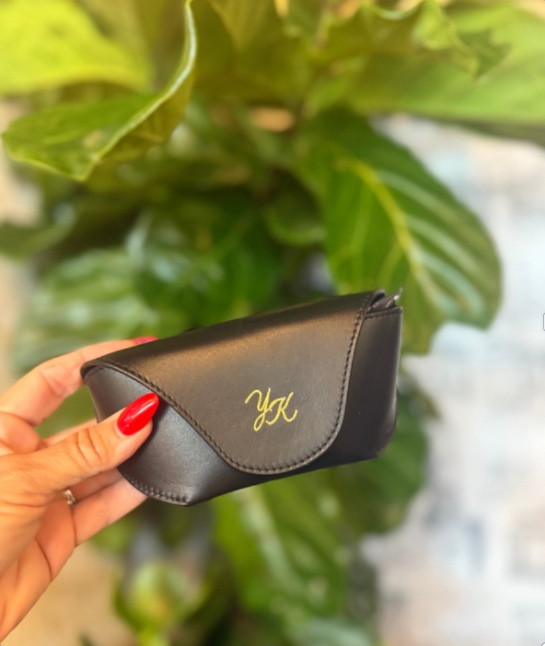
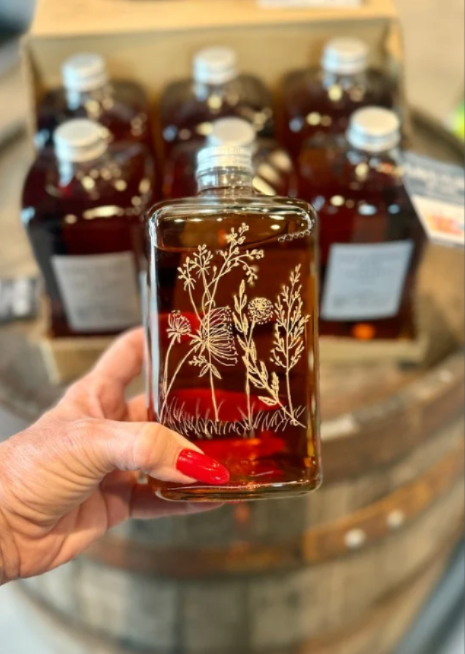
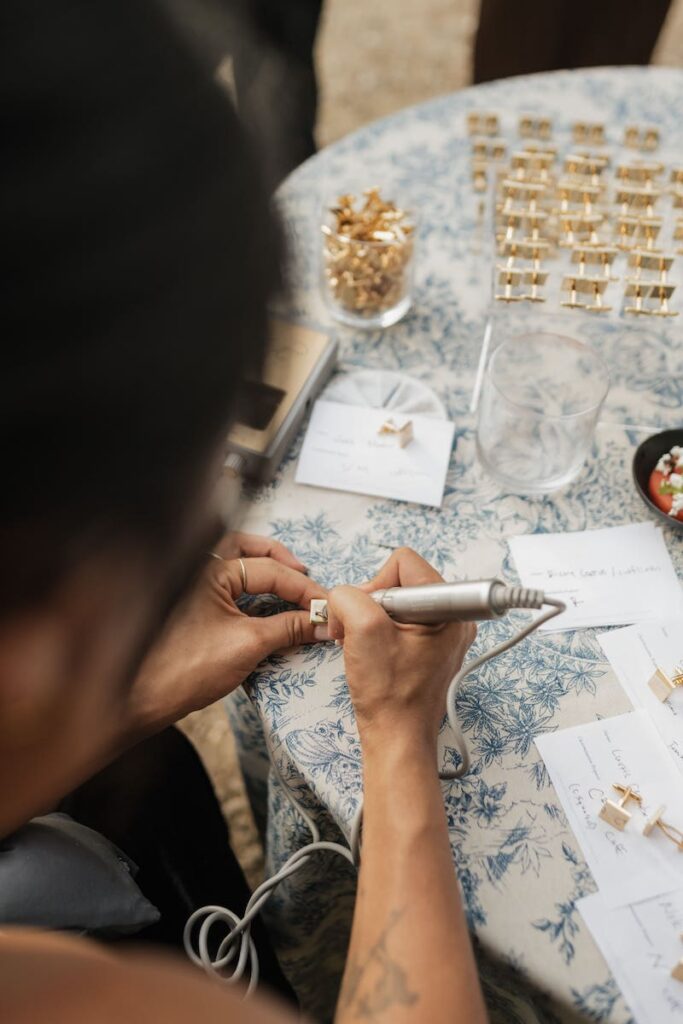
Professional calligraphers work in wedding stationery, live event calligraphy, envelope addressing, corporate gifting personalization, brand activations, certificate production, and fine art. These applications require technical precision, consistency at volume, and the ability to execute defined styles on demand.
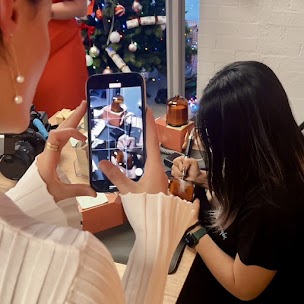
Live event calligraphers working with luxury brands, as in Carla Schall’s work with Giorgio Armani and Baccarat, require the reliability and formal elegance of traditional calligraphic training. A brush lettering aesthetic, however beautiful in social media content, typically cannot serve these professional contexts.
Brush Lettering Applications
Brush lettering is commercially successful in wedding signage (particularly chalkboard and painted signs), social media content creation, greeting card design, product packaging, and casual event stationery. Its approachable, modern aesthetic resonates strongly with the handmade and artisanal visual culture of the 2020s.
The barrier to entry for brush lettering in commercial contexts is lower, which means more competition and lower pricing pressure. Professional traditional calligraphy commands premium rates because it requires significantly more time and training to master.
The Verdict
Calligraphy and brush lettering are related but distinct practices. Calligraphy is a rule-governed, historically grounded discipline practiced with specific tools following defined letterform systems. Brush lettering is a contemporary, expressive practice with fewer rules, lower tool barriers, and faster initial rewards.
Neither is superior. They serve different purposes and attract different kinds of practitioners. Understanding which one aligns with your actual goals, tool preferences, and patience for technical learning is the most useful starting point for anyone entering the world of decorative handwriting.
The handwritten comeback in the digital world is creating demand for both, and there has never been a better time to develop proficiency in either or both.
FAQ
Generally yes, particularly in the early stages. Brush pens require no ink preparation, no nib changes, and produce forgiving results on most paper surfaces. Traditional calligraphy requires more technical precision, better materials, and longer practice before consistent results appear.
Brush pens can approximate the visual style of some formal scripts, but they cannot replicate the specific mechanics of pointed pen or broad-edged nib calligraphy. For formal wedding stationery and professional event work, traditional dip pen calligraphy remains the appropriate tool.
Not exactly. Modern calligraphy typically refers to a loose, expressive interpretation of pointed pen scripts. Brush lettering refers specifically to using a brush or brush pen. The two share aesthetic qualities and are often confused but involve different tools and mechanics.
Consistent daily practice of basic strokes (downstrokes, upstrokes, ovals, and loops) before attempting letterforms is the most effective improvement method. Treating brush lettering with the same stroke-first discipline as traditional calligraphy produces noticeably faster technical progress.
See the real difference between calligraphy and brush lettering firsthand by booking a calligraphy class with Carla, where you work with professional tools and techniques from session one. Book now at carlaschall.com