

When planning personalized experiences for luxury events, two methods consistently deliver stunning results glass engraving and hot foiling. Both create permanent, premium customization that guests treasure, but they work on different surfaces and suit different event goals.
Choosing between these techniques affects everything from your timeline to your budget to the final impression guests take home. We’ll break down exactly how each method works, what surfaces they enhance, and which scenarios call for one over the other.
For a broader perspective on planning live personalization at luxury activations, read our ultimate guide to live event activations to learn how engraving and calligraphy transform brand experiences.
What is Glass Engraving
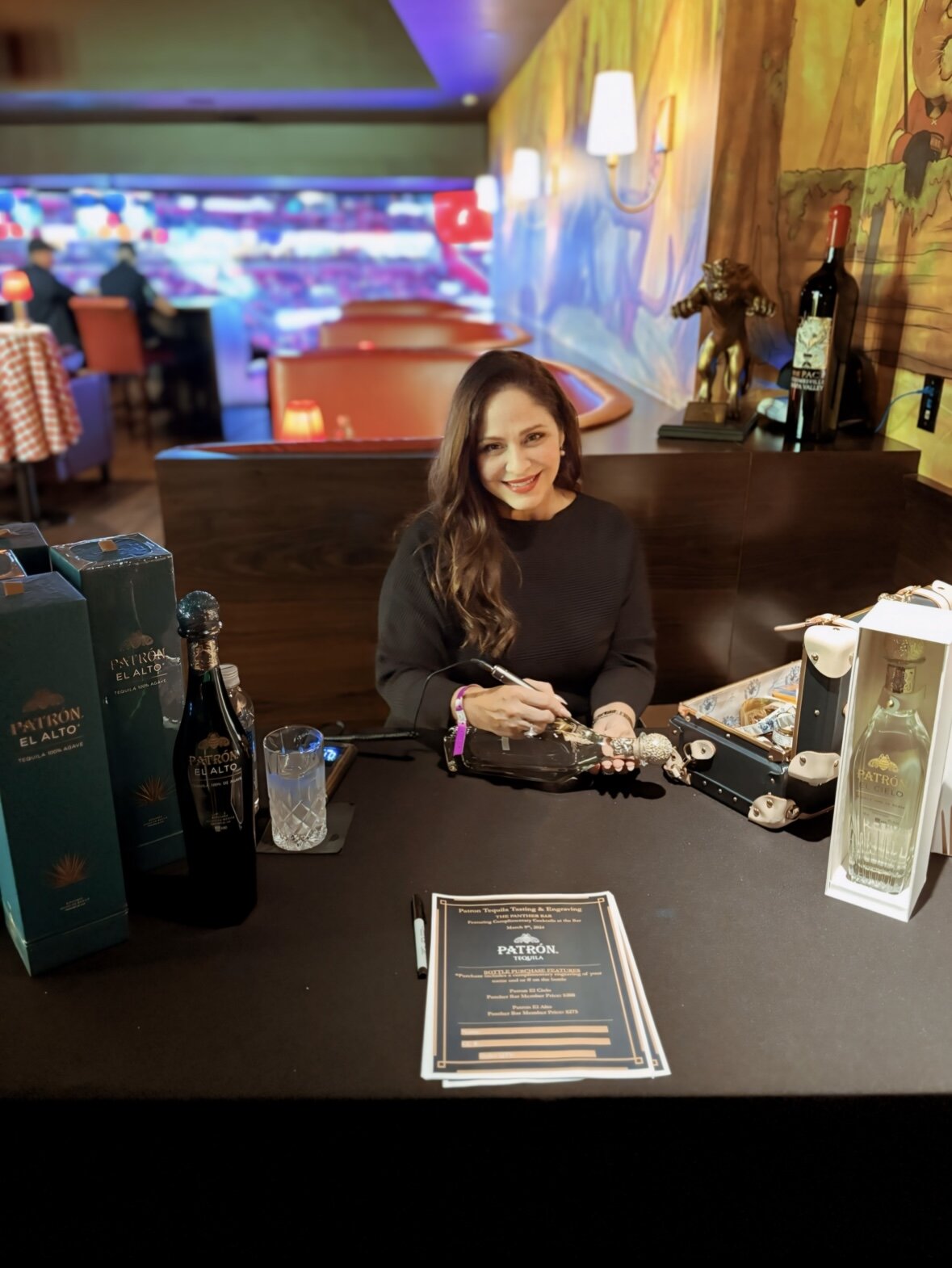
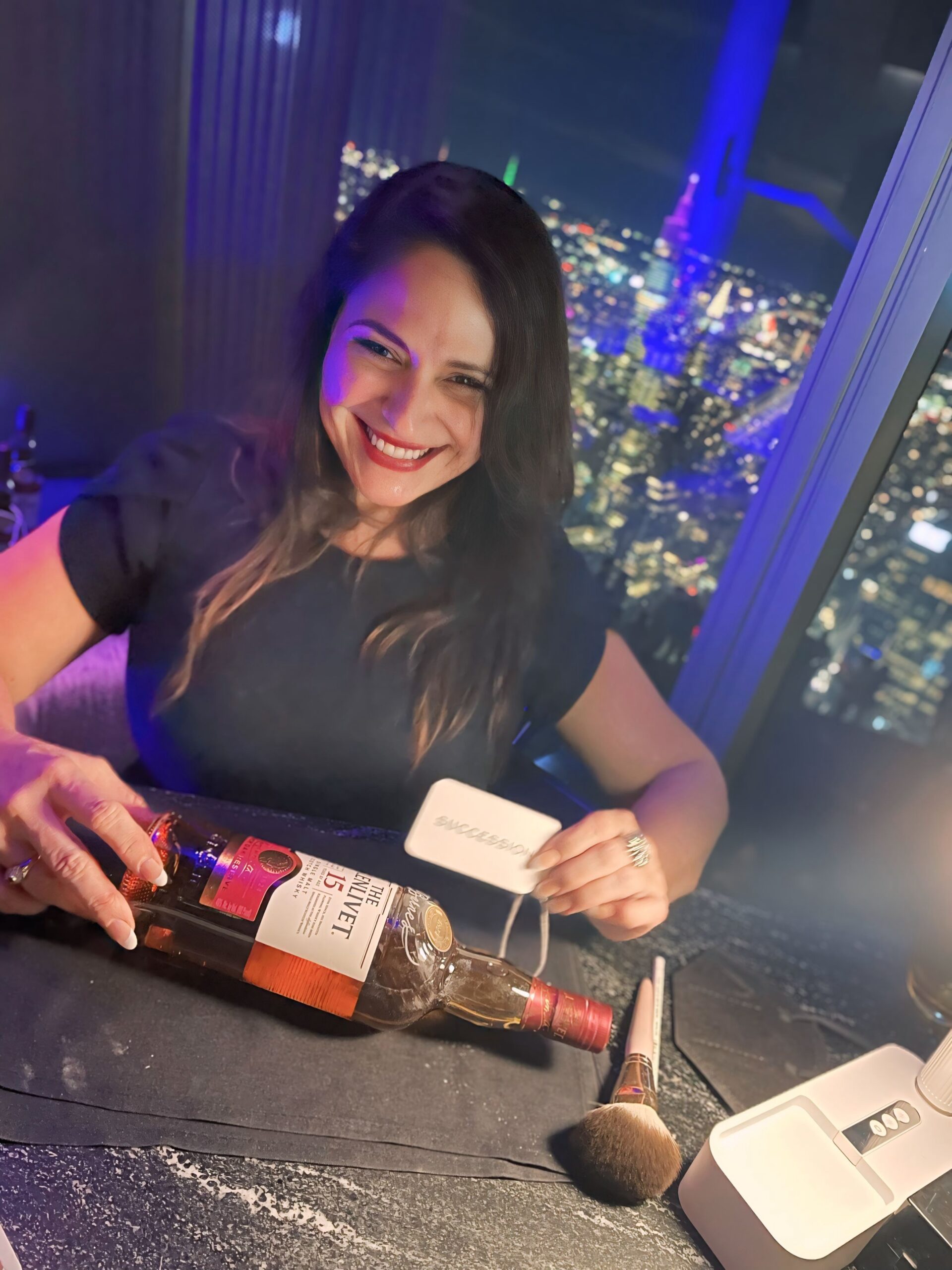
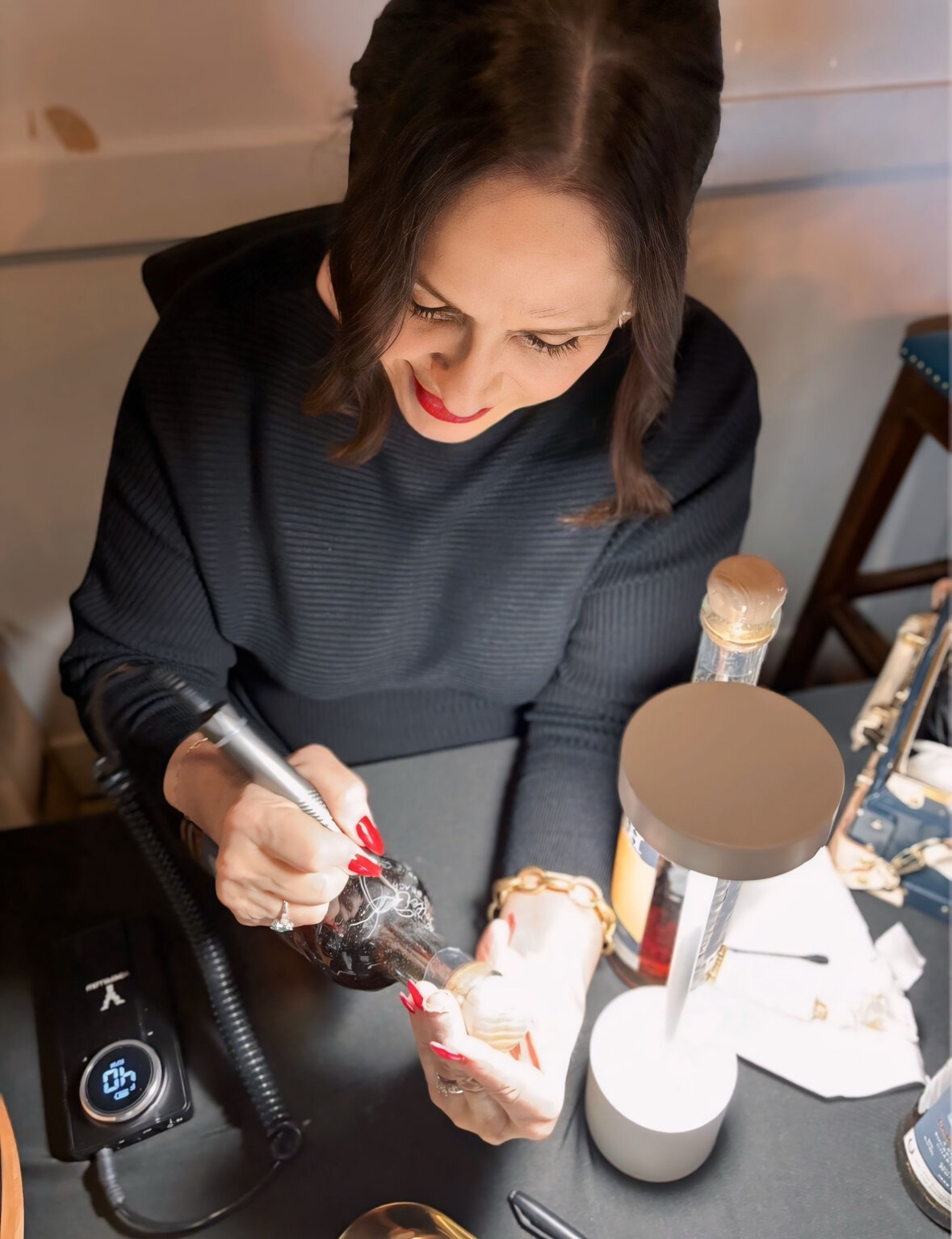
Glass engraving uses a handheld rotary tool to etch designs directly into glass, metal, ceramic, and stone surfaces. Artists control the depth and style of the engraving, creating everything from delicate script to bold monograms.
The process creates permanent marks that cannot wear off or fade. Unlike surface treatments that might scratch or peel over time, engraved personalization becomes part of the item itself.
For live events, artists typically work with battery-powered tools that produce a quiet hum rather than loud machinery noise. This makes them suitable for elegant settings where excessive sound would disrupt the atmosphere.
Engraving appears clear by default but can be enhanced with metallic fills. Gold, silver, and rose gold paints applied into engraved lines add dramatic contrast and luxury appeal. The filling process takes additional time but significantly elevates the finished appearance.
Explore the best perfumes for engraving to see which bottles and finishes yield flawless, elegant results for event personalization.
What is Hot Foiling
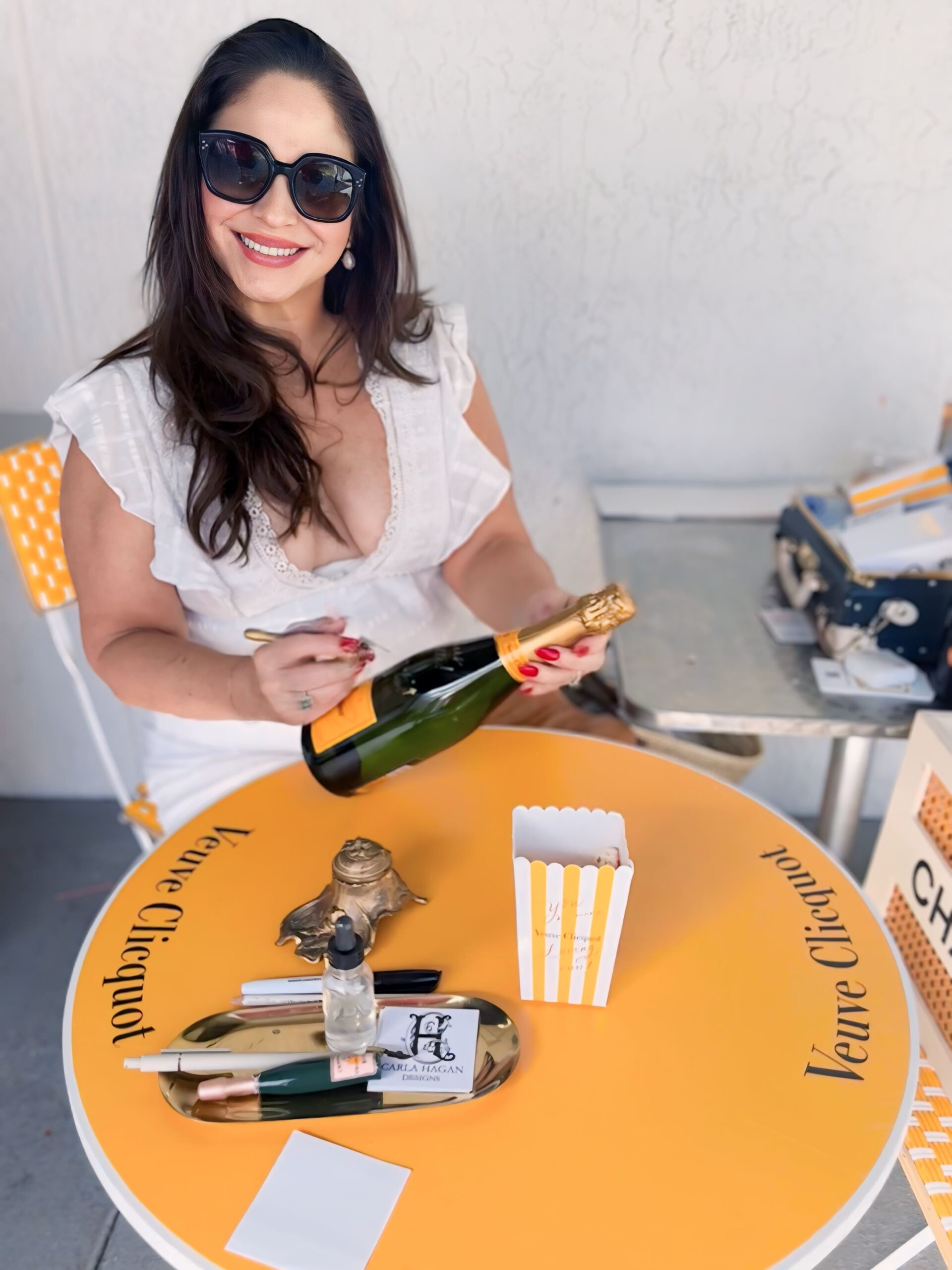
Hot foiling applies metallic foil to surfaces using heat and pressure. Artists use specialized tools heated to precise temperatures, pressing foil sheets onto leather, faux leather, and certain paper stocks.
As the foil cools and is peeled away, it leaves shimmering metallic lettering or designs permanently bonded to the material. The result mimics expensive embossing without requiring industrial equipment.
Unlike engraving which removes material, foiling adds a thin metallic layer that catches light beautifully. This makes it especially photogenic for social media content and professional photography.
The technique works best on smooth, relatively flat surfaces with consistent heat tolerance. Testing materials in advance is essential because some synthetics melt while certain finishes prevent proper adhesion.
For a full overview of setup and creative planning, check our brand activation checklist for live artists a must for executing professional on-site foiling and engraving.
Surface Compatibility Comparison
Where Glass Engraving Excels
Engraving dominates when working with hard, smooth surfaces. Perfume bottles, champagne flutes, whiskey glasses, and wine bottles receive beautiful personalization through this method.
Beyond barware, engraving enhances mirrors, marble coasters, metal compacts, ceramic ornaments, and even some acrylics. The versatility makes it ideal for product launches where brands want to personalize existing packaging or merchandise.
One important limitation involves pressurized bottles. Champagne and sparkling wine cannot be engraved safely due to internal pressure that might cause cracking. For these items, consider hand-painted alternatives or hot foiling on accompanying packaging.
Learn how live engraving enhances corporate holiday gifting events with personalized wine bottles to create heirloom-quality keepsakes for clients and guests.
Where Hot Foiling Shines
Hot foiling transforms leather goods into personalized luxury items. Wallets, keychains, journals, cosmetic pouches, and cardholders all accept foil beautifully when executed properly.
High-quality paper products also work well business cards, gift tags, menu covers, and premium stationery. Some vegan leathers and faux leather materials accept foiling, though testing is mandatory since formulations vary widely.
The technique struggles with textured surfaces, very thin materials that might scorch, and items with protective coatings that prevent adhesion. Knowing these limitations helps you select appropriate products for your activation.
Pair foiled leather goods with thoughtful branded gifts explore luxury groomsmen gift ideas in leather and glass for creative inspiration.
Speed and Volume Considerations
Engraving Timeline Per Item
Engraving speed depends heavily on design complexity and surface hardness. Simple name engraving on a wine bottle takes approximately 5-7 minutes. Elaborate monograms with decorative elements might require 8-10 minutes.
Adding metallic fill extends timing by 2-3 minutes per piece as artists carefully apply and clean excess paint. For events expecting 100+ guests, consider booking multiple engravers or extending service hours to accommodate demand comfortably.
Glass engraves faster than metal, which requires more passes to achieve sufficient depth. Curved surfaces take longer than flat ones since artists must constantly adjust positioning and pressure.
If you’re hosting a large activation, see our live event activation ideas for luxury brands to design a timeline that balances artistry with guest flow.
Foiling Efficiency
Hot foiling generally processes faster than engraving for simple text applications. A name or initials on a leather keychain takes 3-4 minutes including setup and foil removal.
The efficiency advantage narrows with complex designs since each color requires separate application. Multi-color foiling essentially multiplies your timeline by the number of colors used.
Foiling also requires more active attention to temperature management. Artists must maintain proper heat levels throughout the event, occasionally pausing to let tools reach optimal temperature between applications.
Visual Aesthetic and Design Flexibility
Engraving’s Classic Elegance
Engraving delivers timeless sophistication through its subtle, dimensional quality. Light plays across engraved surfaces, creating depth that flat printing cannot replicate.
The technique accommodates intricate details beautifully. Fine-line flourishes, delicate script styles, and small decorative elements all translate well into engraving when executed by skilled artists.
Size constraints matter less with engraving than with other methods. Tiny engravings on jewelry maintain clarity while large designs on mirrors or barware make bold statements.
For timeless personalization with emotional impact, discover personalized heirloom gift engraving ideas perfect for weddings, anniversaries, and luxury events.
Foiling’s Metallic Impact
Hot foiling creates immediate visual drama through reflective metallic finishes. Gold foiling on rich brown leather exudes luxury, while rose gold on blush pink materials achieves romantic elegance.
The method shines when you want personalization to serve as the primary design element rather than a subtle addition. Foiling announces itself confidently, making it perfect for brands seeking bold, photogenic results.
Color options extend beyond traditional metallics. Some foils come in vibrant hues, holographic finishes, or even matte blacks for contemporary aesthetics.
Cost Factors to Consider
Neither technique carries inherent cost advantages—pricing depends more on event duration, expected volume, and design complexity than on the method itself.
Engraving setups require specialized rotary tools and multiple burr bits for different materials. Artists also need metallic paints, cleanup supplies, and proper lighting. These items represent professional-grade investments that justify appropriate pricing.
Foiling demands heated tools, extensive foil inventory in multiple colors, and surface testing materials. The consumables cost per item is slightly higher since foil sheets get used and discarded, unlike reusable engraving equipment.
Most professional artists charge hourly or half-day rates rather than per-piece pricing. This structure better accommodates varying guest volumes and design complexity while ensuring quality doesn’t suffer from rushing to maximize quantity.
Event Type Recommendations
When Glass Engraving Fits Best
Choose engraving for wine tastings, spirits launches, fragrance unveilings, or any event centered around bottled products. The ability to personalize the actual product rather than just packaging creates stronger emotional connections.
Engraving also suits formal corporate events where understated elegance matters more than bold visual impact. Executive gifts like engraved crystal awards or personalized barware convey sophisticated appreciation.
Weddings benefit from engraved champagne flutes, wine glasses, or mirrors that serve as functional keepsakes. The permanence feels appropriate for celebrating lifelong commitments.
When Hot Foiling Delivers Better Results
Fashion and accessories brands naturally align with foiling since their products often feature leather elements perfect for this technique. Retail activations where guests receive foiled shopping bags, cardholders, or keychains drive immediate brand visibility.
Foiling excels at corporate gifting events featuring branded leather goods journals, portfolios, tech accessories. The metallic branding reinforces corporate identity while the personalized names make recipients feel individually valued.
Book launches and author signings benefit from foiled bookmarks or custom journal covers. The literary connection feels natural while providing functional items readers genuinely use.
For fashion and lifestyle activations, our luxury gifting concierge service helps curate the perfect mix of personalized products and premium packaging
Logistical Requirements for Each Method
Setting Up for Engraving
Engraving stations need stable tables positioned away from high-traffic pathways since precision work requires steady surfaces. Adequate lighting is essential—artists need to see fine details clearly throughout multi-hour events.
Electrical access matters for artists using corded tools, though many professionals prefer battery-powered equipment for flexibility. Provide water access for artists who offer metallic fill services since cleanup between colors prevents contamination.
Safety considerations include eye protection for artists and proper ventilation if working with painted fills. Reputable professionals bring all necessary safety equipment and maintain clean workspaces.
Foiling Station Essentials
Hot foiling requires reliable electricity since heated tools must maintain consistent temperatures. Fluctuating power affects quality, so avoid extension cords running through high-traffic areas where guests might accidentally disconnect equipment.
Artists need flat, heat-resistant work surfaces since hot tools get set down between applications. Metal or stone tables work well, while draped fabric requires additional heat-resistant mats.
Adequate space for foil inventory, testing materials, and completed items prevents chaos during high-volume activations. A 6-foot table minimum provides comfortable working room for one artist.
Combining Both Methods for Maximum Impact
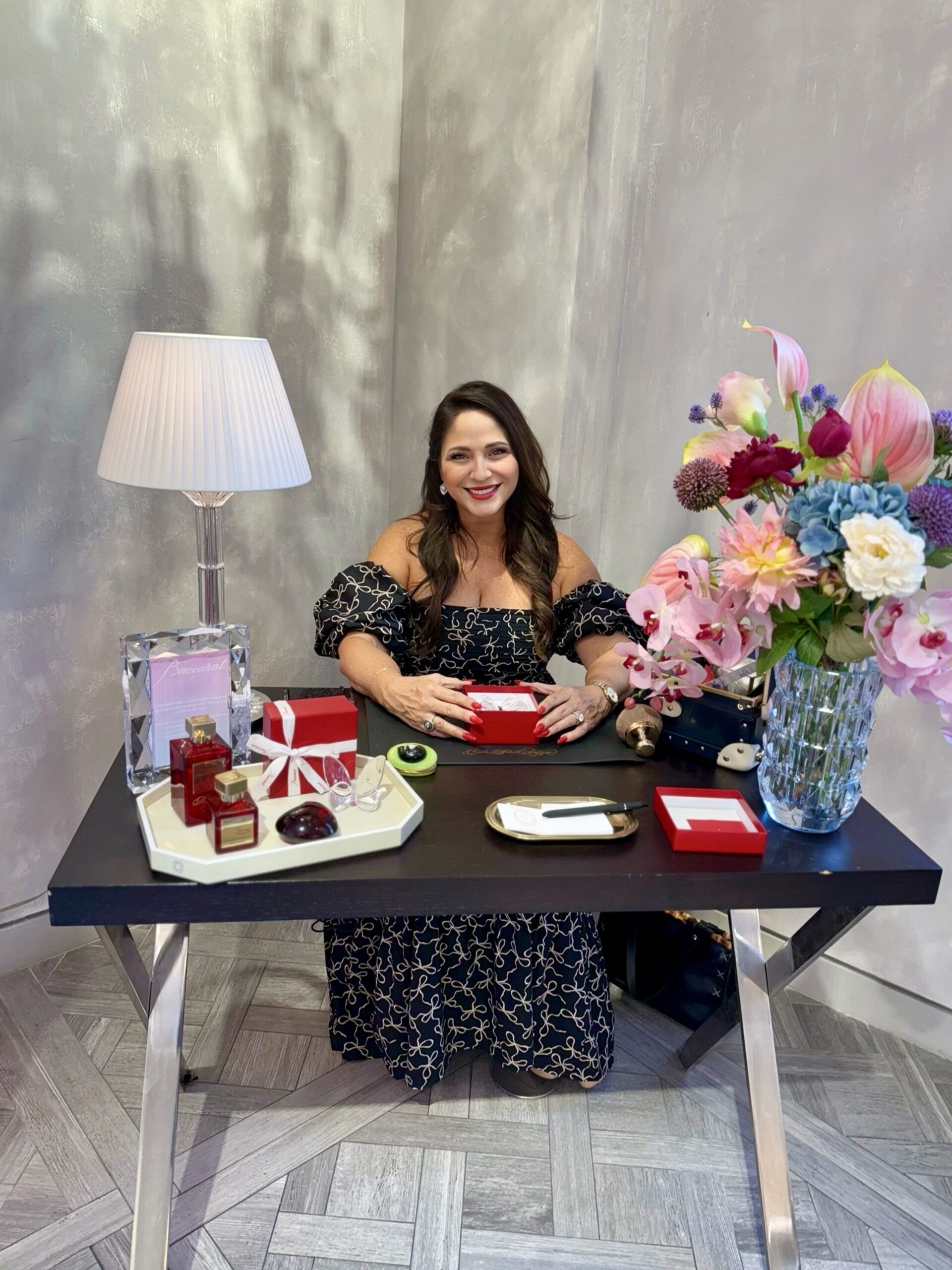
Some sophisticated activations feature both engraving and foiling at separate stations, allowing guests to choose their preferred personalization style or receive multiple personalized items.
A luxury retail event might offer engraved perfume bottles at one station while providing foiled leather keychains at another. This variety accommodates different preferences and maximizes the experiential value guests receive.
Combining methods requires careful planning to prevent bottlenecks. Consider staggered timing perhaps engraving during cocktail hours with foiling during dinner service to distribute demand evenly.
Budget for adequate staffing so neither station gets overwhelmed while the other sits idle. Two artists working simultaneously can process significantly more guests than one artist switching between techniques.
Some brands blend both styles with live calligraphy personalization services to create cohesive, multi-sensory event experiences that guests never forget.
Making Your Decision
Start by identifying what you’ll personalize. The surface material immediately eliminates incompatible methods. Glass and metal require engraving, leather demands foiling.
Consider your brand aesthetic. Do you lean toward classic elegance or contemporary boldness? Your overall visual identity should guide this decision since personalization becomes part of your brand expression.
Think about guest experience priorities. If speed matters because you have limited time with high guest volume, discuss realistic timelines with artists before committing. Better to manage expectations than create frustration.
Finally, review your budget honestly. Both methods deliver luxury results, but combining them or adding elaborate designs affects costs. Professional artists provide transparent pricing that helps you allocate resources effectively.
Whether you choose the timeless elegance of glass engraving or the bold beauty of hot foiling, personalized keepsakes transform ordinary events into memorable experiences. When guests leave with items created specifically for them, they carry tangible reminders of your brand that generic promotional products simply cannot match.
Explore live engraving and foiling services to discover which personalization method best suits your next luxury event.
About the Author:
Carla Schall is a Florida-based luxury calligrapher and live event artist with over 16 years of experience crafting bespoke artwork for weddings, brands, and personal commissions. Her work has appeared in high-profile events across Miami, Tampa, and Palm Beach, where her philosophy remains simple: beauty heals, and art connects.