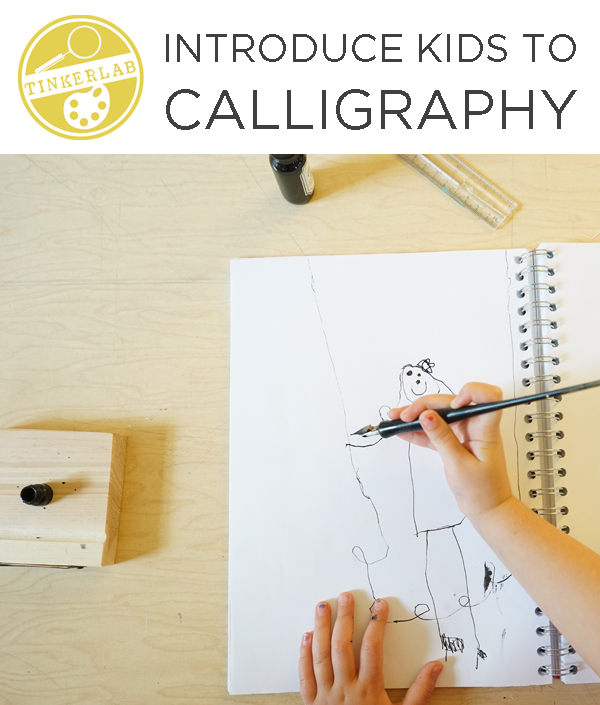


Calligraphy for kids is not a compromise on the craft. When it is introduced with the right tools, the right starting point, and a teaching approach that matches how children actually learn, it is one of the most rewarding creative activities a young person can explore.
Children who learn calligraphy develop spatial awareness, fine motor control, patience, and aesthetic sensitivity in ways that digital activities simply cannot replicate. They also develop a relationship with the physical act of writing that is increasingly rare in a screen-dominated world.
This guide covers everything parents, educators, and gift-givers need to know about introducing calligraphy to children, from the right age to start to the best tools, scripts, and practice approaches for young learners.
What Age Can Children Start Calligraphy?
There is no universal age at which calligraphy becomes appropriate for children. The readiness depends more on fine motor development, attention span, and interest than on chronological age.
Fine Motor Readiness
The core physical requirement for calligraphy is sufficient fine motor control to hold a pen comfortably and guide it with intentionality. Most children develop this level of control between the ages of seven and nine, though there is significant natural variation.
Before this stage, children can enjoy broad art brush activities and large-format mark-making that build the hand strength and coordination that will support calligraphy later. This pre-calligraphy phase is genuinely valuable preparation rather than a compromise.
Interest as the Primary Indicator
A child who is fascinated by beautiful writing and asks to try it can start exploring calligraphy at almost any age with appropriate adaptations to tools and expectations. A child who shows no interest will not benefit from a forced introduction regardless of their technical readiness.
Parents and educators are best positioned to observe when interest emerges naturally and meet it with appropriate resources and encouragement.
Choosing the Right Starting Script for Children
Not all calligraphy styles are equally appropriate for young learners. Some require precision and patience that most children find frustrating rather than engaging. Others offer immediate, satisfying results that build confidence and motivation.
Best Starting Scripts for Kids
Italic calligraphy is the most universally recommended starting point for young calligraphy learners. Its foundational strokes are simple, its letterforms follow the same letters children already know from school, and broad-nib fountain pens make it accessible without the ink management challenges of dip pens.
Printed brush lettering with simple A-B-C letterforms is an excellent entry for younger children (ages six to nine) who may not yet be writing in cursive. Using broad brush pens to make beautiful capital letters introduces the concept of thick-thin stroke variation in a context that requires no new letterform knowledge.
Modern calligraphy with brush pens works well for children ages ten and above who can manage cursive writing and are drawn to the expressive, creative quality of loose modern scripts.
Scripts to Introduce Later
Copperplate and Spencerian require a level of pressure control and tool management that is challenging for most adults and typically inappropriate as a starting point for children under 12. Gothic calligraphy’s angular mechanics are similarly demanding and are better introduced as a secondary script after a broad-edged foundation is established.
Tools and Materials for Children’s Calligraphy
Choosing the right tools for children involves balancing safety, age-appropriateness, and actual calligraphic functionality.
For Ages 6 to 9: Large Brush Pens and Felt Calligraphy Markers
Large-barrel brush pens with a stiff or medium-stiff tip are ideal for young beginners. The Crayola Broad Line markers and Artline calligraphy markers are both child-safe, easy to hold, and capable of producing simple thick-thin effects that feel like calligraphy.
These tools do not produce authentic calligraphic strokes in the technical sense, but they introduce the fundamental concept of line weight variation through pressure or angle in a frustration-free format.
For Ages 9 to 12: Italic Fountain Pens
The Pilot Parallel Pen in the 2.4mm or 3.8mm size is an excellent first real calligraphy tool for children in this age range. Its self-contained ink system removes the mess and unpredictability of ink pots, and its flat nib produces satisfying thick-thin italic strokes with minimal technique requirements.
Paired with smooth practice paper and simple italic guidelines, the Pilot Parallel can produce genuinely impressive results for motivated children in this age group within their first few sessions.
For Ages 12 and Up: Introduction to Dip Pens
Older children who have developed patience, fine motor control, and genuine interest in calligraphy as a craft can be introduced to simple dip pen setups at this stage. Start with the same Nikko G nib recommended for adult beginners, using walnut ink diluted slightly for forgiving flow, and focus on simple italic or foundational letterforms rather than copperplate pressure mechanics.
Always supervise dip pen work with younger teenagers, as India ink and glass ink bottles present spill risks that require adult oversight until the child has developed consistent handling confidence.
Teaching Calligraphy to Children: Principles That Work
Teaching children calligraphy requires a different approach than teaching adults. Children learn through play, exploration, and immediate creative reward rather than through systematic technical drill.
Start With Beautiful Results, Not Perfect Technique
The goal in the first session is to make something the child finds beautiful and wants to show someone. Technique refinement comes later. If a child’s first calligraphy session produces a piece they are proud of, they will return to practice eagerly. If it produces only frustration and correction, they probably will not.
This means choosing a single achievable goal for each session. The first session might be simply writing their name beautifully with a marker. The second session might be writing a short word with the Pilot Parallel. Progress the technique slowly and reward every visible improvement with genuine enthusiasm.
Short Sessions and Frequent Breaks
Children’s attention spans for fine motor activities are shorter than adults’. Plan sessions of 15 to 20 minutes maximum for children under ten, and 25 to 30 minutes for older children and teenagers. End on a positive note, always finishing before the child shows signs of frustration or fatigue.
Connect Calligraphy to Things Children Care About
Children practice more consistently when their calligraphy feels purposeful and personally meaningful. Encourage them to write birthday messages for friends, create custom labels for their belongings, make illustrated cards for grandparents, or letter their favorite song lyric or quote.
This applied use of calligraphy skills keeps practice connected to real-world value and social positive reinforcement, both powerful motivators for continued engagement.
Calligraphy as an Educational Tool
Beyond its creative value, calligraphy has documented educational benefits for children. The physical discipline of forming letters deliberately and beautifully reinforces letter recognition, spelling awareness, and attention to detail in ways that keyboard typing cannot provide.
Research on handwriting and cognitive development, including studies referenced by Edutopia’s coverage of handwriting and learning, suggests that the physical act of careful, deliberate writing activates language and learning centers in the brain that are less engaged in typing. Calligraphy, as a more intentional and deliberate form of handwriting, may amplify these benefits.
This context makes calligraphy a genuinely educational activity rather than purely decorative, which may be relevant for parents or educators considering how to justify the time investment.
Family Calligraphy Workshops
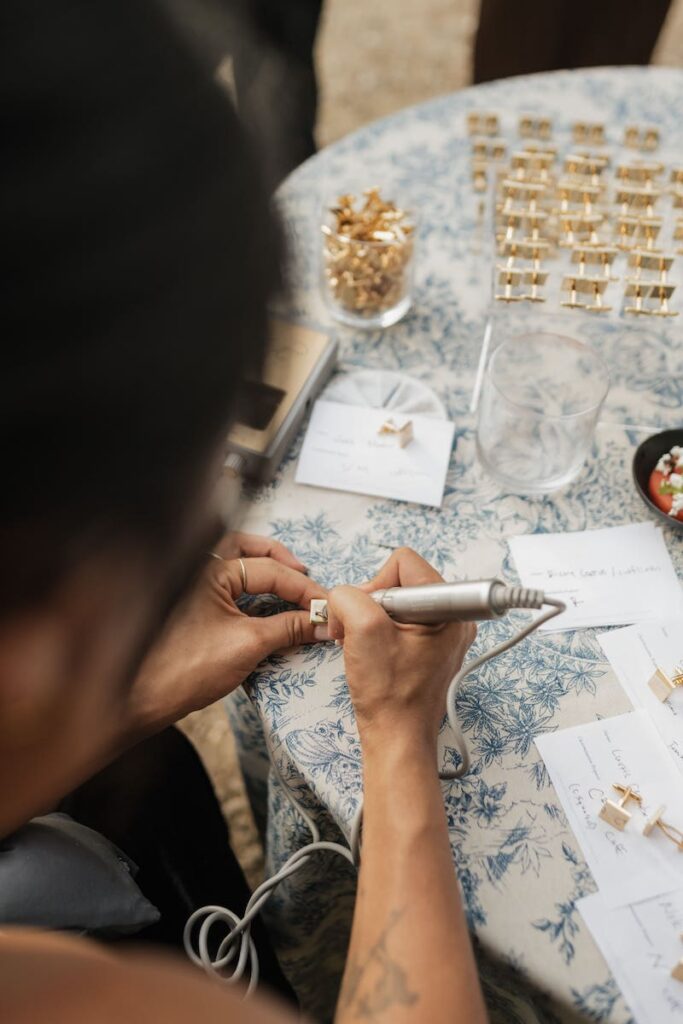
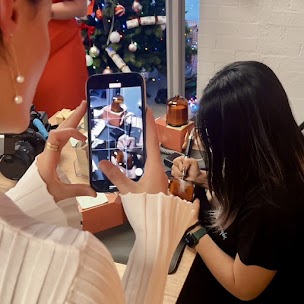
Group calligraphy experiences for families have grown significantly in popularity in recent years. The combination of creative activity, shared focus, and tangible take-home result makes calligraphy workshops uniquely suited to family learning contexts.
When parents and children practice side by side, both groups benefit from the shared motivation, the relaxed permission to make mistakes, and the natural mentoring that occurs when older participants help younger ones.
Florida-based calligraphy workshops for kids and families designed specifically for mixed-age groups provide structured sessions where everyone from curious eight-year-olds to adult beginners can find an appropriate entry point and leave with something beautiful they made themselves.
Gift Ideas for Young Calligraphy Enthusiasts
If you are looking to introduce a child to calligraphy through a gift, consider these age-appropriate options.
For younger children: A quality brush pen set in multiple colors, a calligraphy activity book with simple letter guides, and smooth marker paper create a complete beginner gift package.
For older children and teenagers: A Pilot Parallel Pen kit with ink cartridges, a structured italic workbook, and a set of practice guidelines provides everything needed to begin genuine calligraphy practice.
For a more immersive gift: A family calligraphy workshop experience is among the most memorable and educationally valuable gifts for creative children and families. Calligraphy gift ideas for people of all ages covers the full range of options at different price points.
Calligraphy for Kids: The Long-Term Value
The children who learn calligraphy do not all become professional calligraphers. What they do become is adults with exceptional fine motor control, appreciation for craft, patience for deliberate practice, and a skill set for personal expression that sets their writing apart for the rest of their lives.
In a world where handwriting is increasingly marginalized and most communication happens through keyboards and voice interfaces, the ability to write beautifully by hand becomes simultaneously rarer and more valuable as a mark of intentionality and care.
Giving a child the gift of calligraphy is giving them a lifelong relationship with the beauty of their own hand.
FAQ
Most children are ready to explore simple brush calligraphy between ages seven and nine, and formal italic or foundational calligraphy between nine and twelve. The most important indicator is the child’s interest and willingness to practice with patience.
Standard dip pens are not inherently dangerous but do involve ink bottles that can spill and nibs with pointed tips. They are appropriate for children ages twelve and above with adult supervision and proper instruction on tool handling and setup.
Calligraphy’s emphasis on deliberate, slow, conscious letterform construction has been reported by many parents and educators to benefit children who struggle with rushed or inconsistent handwriting. However, for children with specific learning differences, a qualified occupational therapist’s input is recommended before using calligraphy as an intervention.
Workbooks like “Modern Calligraphy Workshop” by Imogen Owen and “Calligraphy for Kids” by Eleanor Winters provide age-appropriate guidance with clear examples and structured exercises. For italic specifically, “Learn Calligraphy” by Margaret Shepherd remains a widely respected beginner resource.
Keep sessions short, end on positive notes, and connect their practice to meaningful applications like creating cards for people they love. Participating alongside your child in practice or workshops significantly increases sustained engagement.
Book a family calligraphy workshop with Carla Schall, a fun and creative experience for all ages that creates something beautiful together. Book now at carlaschall.com