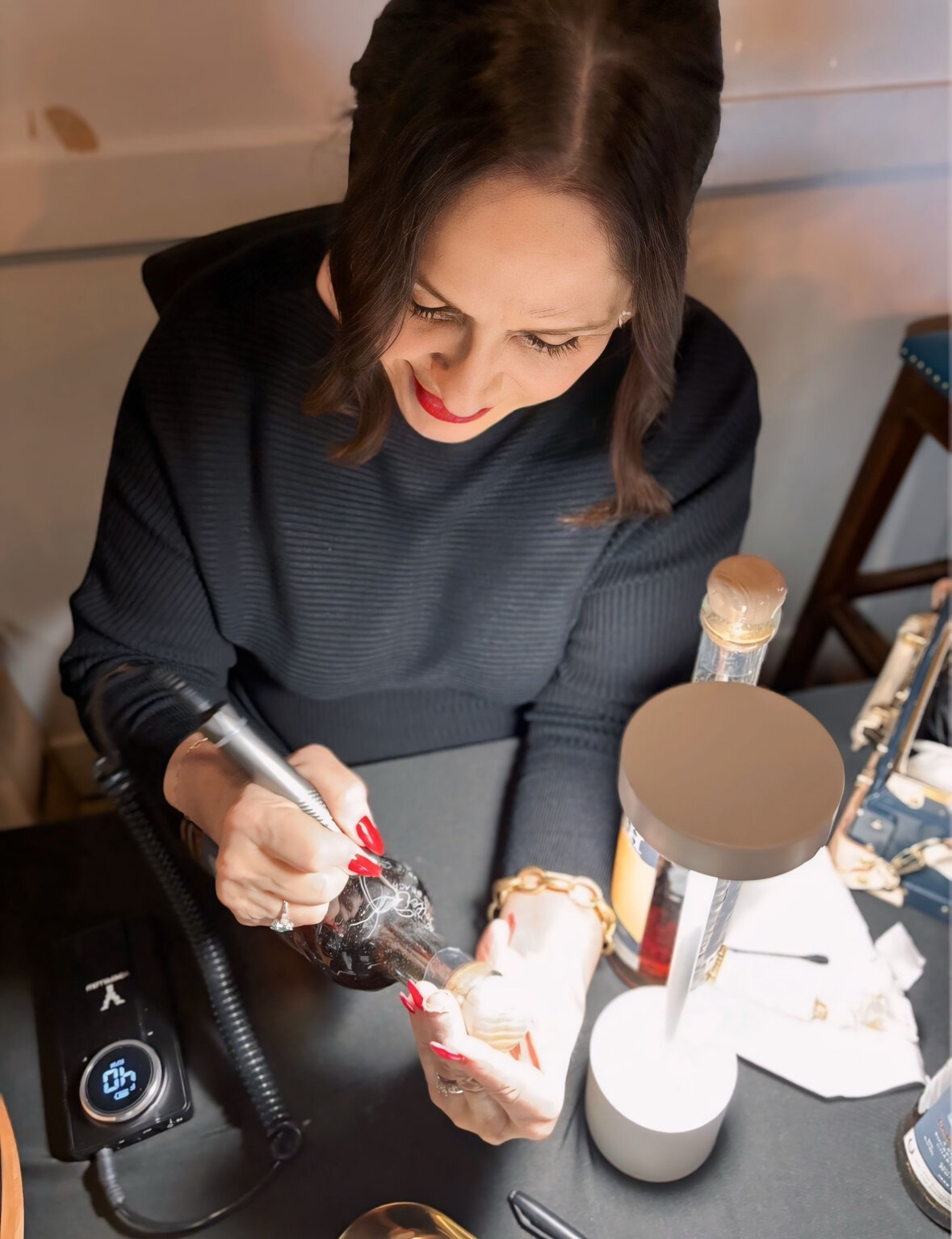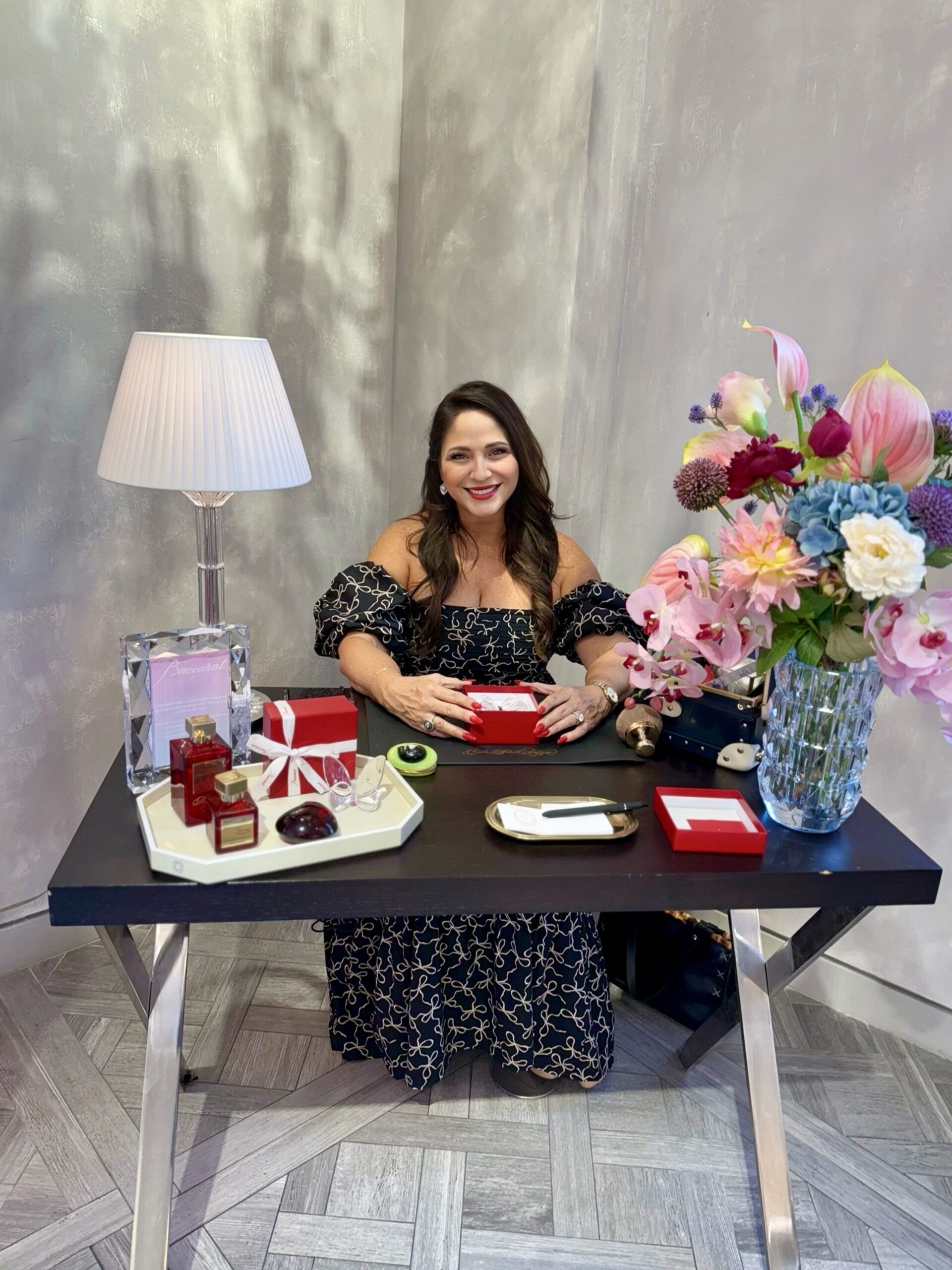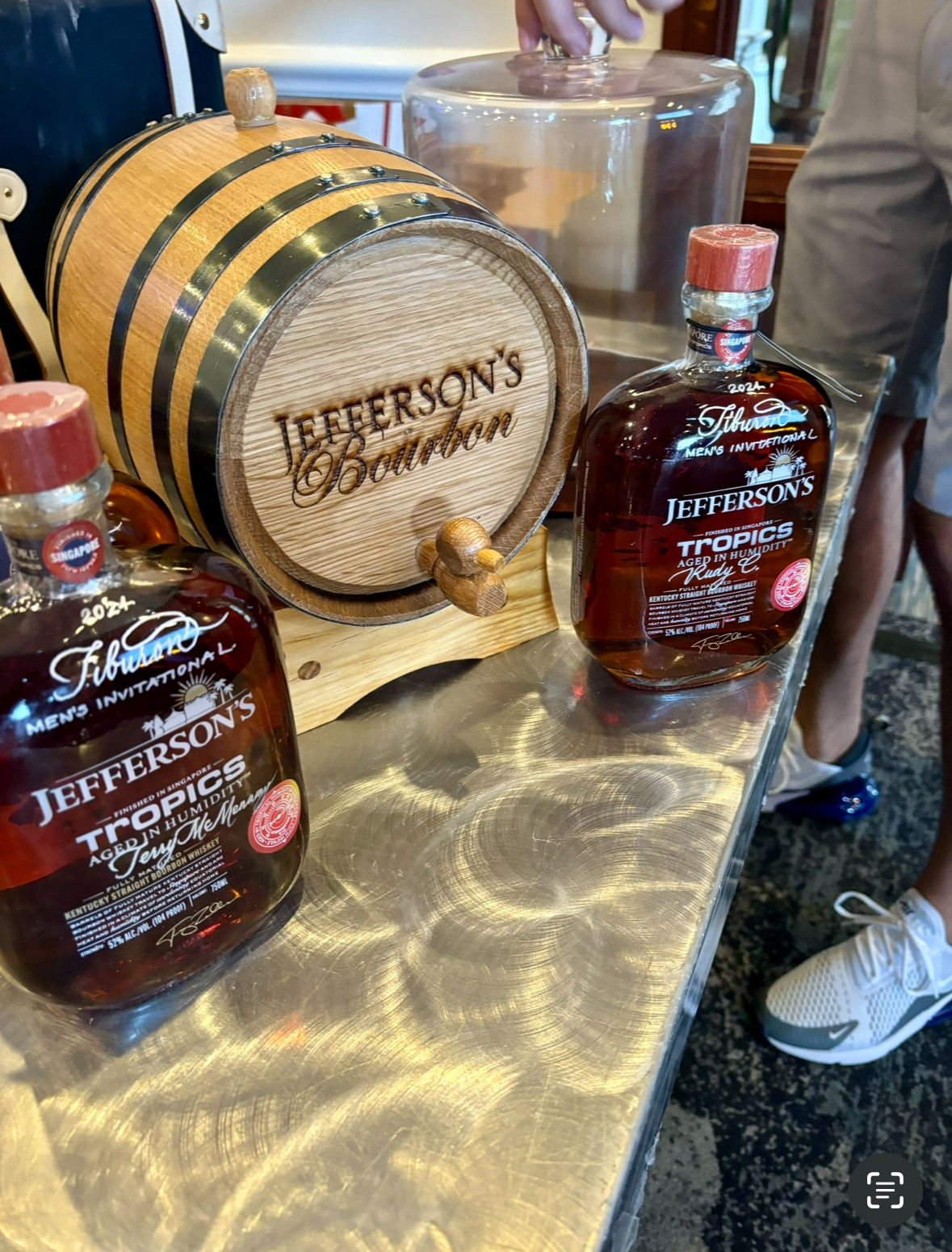


Hand engraving creates permanent, beautiful personalization on glass, metal, stone, and other hard surfaces. Understanding your tools transforms intimidating equipment into intuitive extensions of artistic vision.
We’ll demystify engraving drills, burrs, and accessories so you confidently select appropriate equipment and use it effectively from your first projects forward.
Types of Engraving Drills
Electric Handpiece Engravers
Electric engravers resemble small power drills with specialized handpieces designed for precision control. These entry-level tools cost $150-300 and suit beginners through intermediate artists.
The lightweight design prevents hand fatigue during extended sessions. Variable speed controls let you adjust rotations per minute based on material hardness and desired effects.
Quality electric engravers operate quietly enough for residential use without disturbing others, unlike industrial equipment requiring dedicated workshop spaces.
Brands like Foredom and Dremel manufacture reliable electric engravers widely available through art supply retailers and online vendors.
If you’re interested in practical engraving setups for events or brand activations, explore our post on Live Event Activation Ideas for Luxury Brands 2026.
Pneumatic Engraving Systems
Pneumatic systems use compressed air to power handpieces, delivering superior control and power compared to electric alternatives. Professional artists prefer these once they develop sufficient skill to justify $800-2000 investments.
The consistent power delivery through air compression enables smoother cuts and reduces hand strain during long sessions. You’ll achieve more uniform line quality with pneumatic systems.
However, pneumatic equipment requires air compressors adding cost, noise, and space requirements. Evaluate whether your skill level and business needs justify these complications before purchasing.
Micromotor Engravers
Micromotors represent middle ground between electric and pneumatic systems. These cost $400-800 and provide better control than basic electric engravers without requiring air compressors.
The brushless motor technology delivers smooth, consistent power ideal for detailed work. Serious hobbyists and emerging professionals often choose micromotors as upgrade purchases.
Understanding Burrs
Burrs are replaceable cutting tips attaching to engraving handpieces. Different burr shapes, sizes, and materials create distinct effects on various surfaces.
For engraving inspiration, check out Personalized Heirloom Gifts & Engraving Ideas.
Burr Shapes and Their Uses
Round burrs create smooth, curved lines perfect for script lettering and flowing designs. Various diameters accommodate different line weights.
Diamond burrs feature sharp points ideal for fine detail and clean edges. The precision enables intricate work impossible with rounded tips.
Cylinder burrs produce straight-sided cuts useful for block lettering and architectural designs requiring clean angles.
Cone burrs offer versatility transitioning from points to wider bases within single strokes, enabling varied line weights without changing burrs.
Burr Materials
Carbide burrs handle most materials effectively and last significantly longer than basic steel burrs. The harder material maintains sharp edges through extensive use.
Diamond-coated burrs excel on extremely hard surfaces like tempered glass or stone. The industrial diamond coating grinds rather than cuts, preventing breakage on resistant materials.
Steel burrs cost less but dull quickly, requiring frequent replacement. Reserve these for soft materials or practice work where burr longevity matters less.
Learn more about different engraving finishes in Glass Engraving vs. Hot Foiling for Events.
Burr Sizes
Burrs measure in millimeters ranging from tiny 0.8mm points through substantial 6mm+ diameters. Build your collection strategically:
Start with 1.5mm and 2.5mm round burrs handling most beginner projects effectively. Add diamond point burrs for detail work once you’ve developed basic control.
Expand your collection based on actual project needs rather than buying comprehensive sets immediately. Unused burrs represent wasted investment better allocated toward practice materials.
Essential Accessories
Flexible Shaft
Flexible shafts connect motors to handpieces, providing freedom of movement impossible with rigid configurations. The flexibility prevents fatigue by reducing weight and resistance.
Most quality engravers include flexible shafts, but verify this before purchasing. Rigid handpiece configurations severely limit comfort and control.
Handpiece Holders
Dedicated holders prevent damaging burrs or surfaces when setting handpieces down between cuts. These simple accessories cost $10-20 but prevent expensive mistakes.
Weighted bases prevent tipping while rubber components protect burrs from impact damage. Consider holders essential rather than optional.
Safety Equipment
Quality safety glasses specifically designed for engraving work are mandatory. Standard eyeglasses provide inadequate protection against high-velocity particles.
Dust masks or respirators protect lungs from fine particles created during engraving. This proves especially important when working with treated materials potentially releasing harmful dust.
Well-lit work areas prevent eyestrain and improve precision. Adjustable task lighting specifically designed for detailed work creates ideal conditions.
Before working on gifts or wedding pieces, see our Corporate Holiday Gifting Hand-Engraved Wine Bottles article for real-world applications of engraving artistry.
Practice Materials
Thrift stores provide endless inexpensive glass items for guilt-free practice. Dollar stores stock simple glass pieces specifically for learning without financial pressure.
Ceramic tiles from hardware stores offer flat, consistent surfaces ideal for practicing consistent depth and line quality.
Scrap metal from recycling centers or hardware stores enables practicing on harder materials once glass techniques feel comfortable.
Proper Technique Development
Grip and Posture
Hold engravers like pencils using light pressure. Gripping too tightly causes hand fatigue and reduces control.
Rest your hand on the work surface for stability. Unsupported hands create shaky lines regardless of skill level.
Maintain upright posture preventing neck and back strain during extended sessions. Position work at comfortable heights avoiding hunching.
Speed and Pressure
Begin with lower speeds while developing control. Higher speeds create smoother cuts but require more refined technique.
Use consistent moderate pressure rather than forcing burrs through materials. Excessive pressure causes burrs to bounce or skip, ruining line quality.
Listen to your equipment. Laboring sounds indicate too much pressure or inappropriate burr selection for your material.
Line Quality
Practice straight lines repeatedly before attempting curves. Consistent straight lines demonstrate control translating to all other work.
Maintain even speed throughout strokes. Variations create irregular line widths revealing inexperience.
Overlap stroke ends carefully when creating continuous lines from multiple passes. Gaps or obvious transitions indicate insufficient control.
For improving lettering consistency, beginners may also benefit from our Learn the Art of Calligraphy & Engraving Guide.
Maintenance and Care
Burr Management
Store burrs organized by size and shape preventing damage from contact. Small compartmented boxes work perfectly for collections.
Clean burrs after use removing material buildup affecting cutting performance. Brass wire brushes designed for cleaning burrs are inexpensive and effective.
Inspect burrs regularly for wear or damage. Dull or chipped burrs require replacement preventing frustration and poor results.
Handpiece Care
Follow manufacturer’s lubrication schedules maintaining smooth operation and preventing premature wear.
Clean handpieces externally after sessions removing dust accumulation that might enter mechanisms.
Store handpieces properly when not in use protecting from drops or impacts damaging precision components.
Common Beginner Mistakes
Wrong Burr Selection
Attempting detail work with large burrs or broad strokes with tiny points creates frustration regardless of technique quality.
Match burr sizes appropriately to intended line widths. This seemingly obvious point trips beginners attempting to force inappropriate tools into service.
Inconsistent Pressure
Varying pressure throughout strokes creates uneven line depths revealing inexperience.
Practice maintaining consistent light pressure until it becomes automatic. This foundational skill enables all advanced techniques.
Poor Planning
Failing to plan design layout before beginning engraving creates composition issues impossible to correct after marking surfaces.
Sketch designs on paper first, transfer guidelines to surfaces when possible, and mentally rehearse stroke sequences before beginning.
If you’re engraving wedding or luxury gifts, learn how to budget effectively with our Luxury Gifting Concierge resource.
Building Skills Progressively
Start with simple block lettering before attempting flowing scripts. Basic letterforms teach essential control without overwhelming complexity.
Practice individual letters repeatedly achieving consistency before combining into words. Each letter presents unique challenges requiring dedicated attention.
Graduate to curved strokes once straight lines feel comfortable. Curves demand more refined control developing through progressive challenge.
Attempt intricate flourishes only after mastering fundamental letterforms. Decorative elements require control that develops through simpler work.
Investment Priorities
Allocate budget toward quality basic equipment rather than extensive cheap tools. One reliable engraver with select quality burrs outperforms extensive collections of inadequate equipment.
Prioritize safety equipment alongside engraving tools. Protecting health and eyesight isn’t optional regardless of budget constraints.
Invest heavily in practice materials rather than limited supplies forcing conservative practice. Abundant cheap materials enable risk-taking that accelerates learning.
Understanding your tools transforms engraving from intimidating to intuitive. Explore hand engraving instruction that demystifies equipment and accelerates skill development.
About the Author:
Carla Schall is a Florida-based luxury calligrapher and live event artist with over 16 years of experience crafting bespoke artwork for weddings, brands, and personal commissions. Her work has appeared in high-profile events across Miami, Tampa, and Palm Beach, where her philosophy remains simple: beauty heals, and art connects.