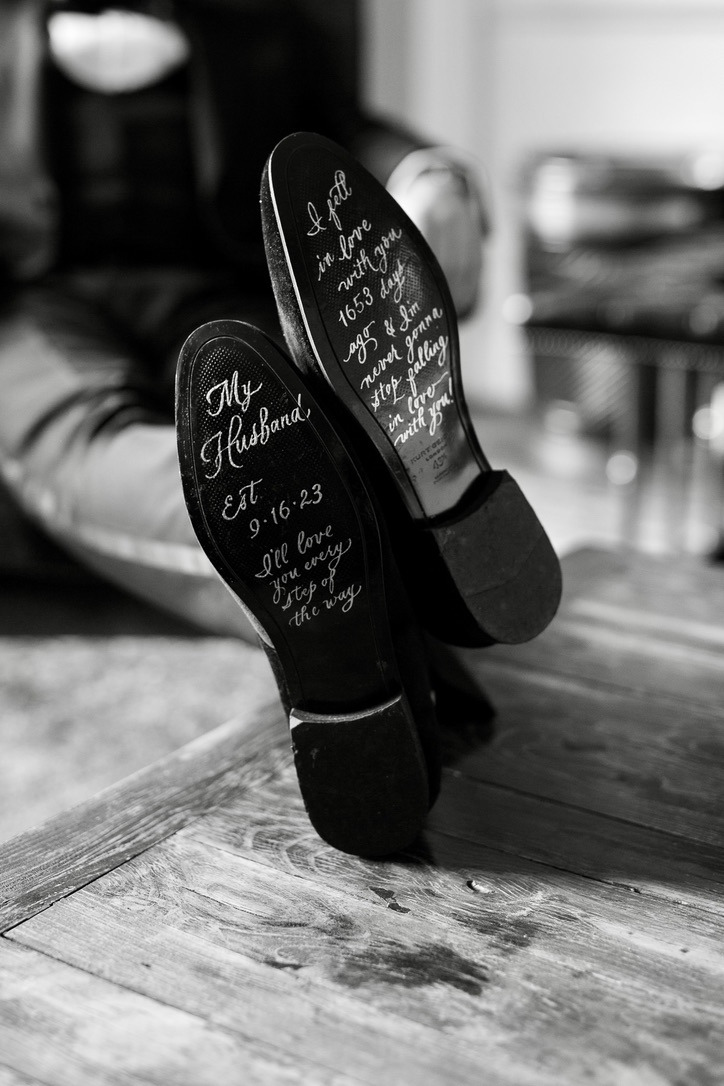


Left-handed calligraphy students often feel discouraged encountering instruction designed entirely for right-handed practitioners. The good news? Countless accomplished left-handed calligraphers prove these skills are absolutely accessible with the right approach and equipment.
We’ll explore the unique challenges left-handed artists face and provide practical solutions that enable beautiful, confident calligraphy regardless of hand dominance.
Understanding Left-Handed Challenges
Traditional calligraphy developed for right-handed writers who pull pens across pages, creating natural thin upstrokes and thick downstrokes.
Left-handed writers, by contrast, push pens rather than pulling them changing the entire stroke dynamic. This can cause:
- Smudging and ink drag
- Awkward wrist angles
- Difficulty achieving consistent thick/thin contrasts
These issues are real but absolutely manageable through adapted techniques and thoughtful practice.
Three Left-Handed Approaches
1. Underwriting
Underwriters hold pens below the writing line, similar to right-handed writers. This natural position often works beautifully for calligraphy with only minor adjustments.
Advantages: No wrist contortion and minimal smudging since hands don’t drag across wet ink.
Challenge: Achieving ideal pen angles requires conscious attention because the hand position differs from right-handed standards.
2. Overwriting
Overwriters hook wrists and position hands above the writing line a common left-handed adaptation for everyday writing but problematic for calligraphy.
The extreme wrist angle strains hands during longer sessions, and the hooked position obscures your view of the letters.
Most calligraphy instructors discourage overwriting because visibility and comfort are key to developing consistent forms.
3. Side Writing
Side writers dramatically angle their paper sometimes 45°–90° allowing natural arm movement while keeping hands below or beside the writing line.
This approach often feels awkward at first but proves the most effective for many serious left-handed calligraphers.
It allows pen angles and pressure closer to traditional right-handed technique and significantly improves control over thick/thin strokes.
Practical Adaptations
Paper Positioning
Experiment freely with paper angles to find a comfortable pen position without wrist strain.
Left-handed calligraphers usually angle paper far more than right-handed artists and that’s perfectly fine.
Use masking tape or drafting dots to keep paper steady so you can focus on line consistency instead of repositioning your page.
Nib Selection
Left-oblique nibs are made specifically for left-handed calligraphers.
They reverse the usual oblique angle, helping you achieve proper stroke direction and line variation.
They’re not mandatory but they can dramatically smooth your learning curve, especially for Copperplate and Spencerian styles.
You can learn more about foundational materials and starter supplies in our Learn the Art of Calligraphy & Engraving Guide.
Lighting Adjustments
Position your light so it shines from the right side, not the left.
This prevents shadows from your hand obscuring your work a simple but crucial setup fix.
Adjustable task lamps are ideal, letting you fine-tune lighting angles for different paper positions.
Smudge Management
Fast-drying inks like iron-gall reduce smudging risk.
Alternatively, you can work right-to-left across your page unusual, but completely effective for eliminating ink drag.
Some left-handed calligraphers also use a clean paper guard under the hand to protect wet ink when writing traditionally left-to-right.
You’ll find more on ink flow and materials in Hand Engraving Tools: A Beginner’s Guide to Drills and Burrs.
Mindset Shifts
Embrace Adaptation
The most successful left-handed calligraphers don’t force right-handed methods they adapt.
This takes self-confidence to ignore “universal” instructions that may not suit your natural movements.
What works for the majority might not work for you and that’s not a weakness; it’s individuality.
Seek Left-Handed Mentors
Learning from left-handed calligraphers dramatically accelerates progress. They’ve already solved the problems you’ll encounter.
Look for mentors via online groups or social communities focused on left-handed lettering.
If possible, attend in-person workshops with left-handed instructors for invaluable, hands-on corrections.
Explore local or virtual opportunities via our Calligraphy & Engraving Learning Resources.
Practice Patience
Remember: You’re translating right-handed instruction into left-handed motion. That mental adjustment takes time. Many beginners quit prematurely but persistence is everything.
Once adapted movements become natural, progress accelerates and your lettering will feel effortless.
Advantages of Left-Handed Calligraphy
While challenges exist, left-handed artists enjoy distinct creative advantages:
- Unique, expressive letterforms due to reversed mechanics
- Stronger problem-solving and design adaptability
- Deeper understanding of calligraphic principles from analyzing technique so closely
Your lettering will develop a signature flair that distinguishes it from more conventional right-handed styles.
Equipment Considerations
Pen Holders
Straight holders suit most left-handed underwriters.
If you prefer oblique setups, ensure you use left-oblique holders, which mirror the angle of traditional right-handed versions.
Test both to discover which provides best comfort and control for your writing angle.
Inks and Papers
Opt for fast-drying inks and smooth paper surfaces to minimize drag and smudges.
Avoid rough-textured papers that can catch nibs during push strokes.
When experimenting with materials, consider your event or gift projects—like engraving or lettered wine bottles—covered in Corporate Holiday Gifting: Hand-Engraved Wine Bottles.
Common Left-Handed Pitfalls
Forcing Right-Handed Techniques
The biggest mistake is trying to copy right-handed positioning exactly.
Adapt your tools and angles to your body, not the other way around.
Excessive Wrist Strain
Pain means something’s wrong.
If you feel wrist or hand discomfort, re-evaluate your setup adjust paper angle, posture, or grip before continuing.
Giving Up Too Soon
Many talented left-handed artists assume calligraphy “isn’t for them.”
The truth: it absolutely is—you simply need time, adaptation, and patience.
Being left-handed doesn’t limit artistry; it simply gives you a different creative lens.
Final Inspiration
Left-handed calligraphers bring distinctive rhythm and perspective to the world of lettering.
With adapted tools, flexible thinking, and consistent practice, you can create graceful, confident calligraphy that’s entirely your own.
Learn more techniques tailored to left-handed artists in our Left-Handed Calligraphy Tips resource.
About the Author:
Carla Schall is a Florida-based luxury calligrapher and live event artist with over 16 years of experience crafting bespoke artwork for weddings, brands, and personal commissions. Her work has appeared in high-profile events across Miami, Tampa, and Palm Beach, where her philosophy remains simple: beauty heals, and art connects.