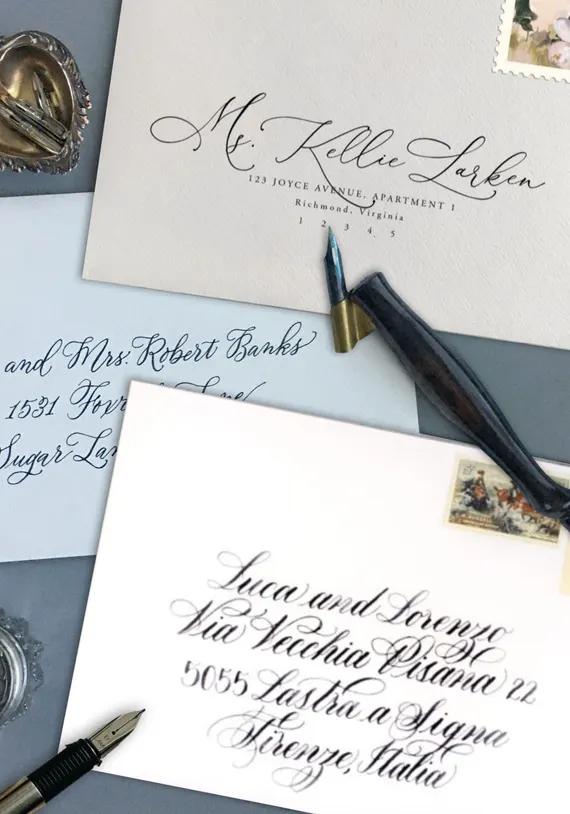


Calligraphy and engraving represent timeless artistic skills experiencing renewed appreciation in our digital age. The tactile satisfaction of creating beautiful lettering by hand offers creative fulfillment that screens cannot replicate.
Whether you dream of turning artistic passion into profitable business or simply want to develop elegant hand-lettering skills, accessible learning paths exist for every commitment level and budget.
We’ve gathered comprehensive guidance on learning these crafts from beginner foundations through professional mastery.
Why Learn Calligraphy and Engraving Now
The resurgence of interest in handcraft skills creates genuine opportunities for artists willing to develop expertise. Luxury brands, event planners, and individual clients actively seek skilled calligraphers and engravers for weddings, corporate events, and personal commissions.
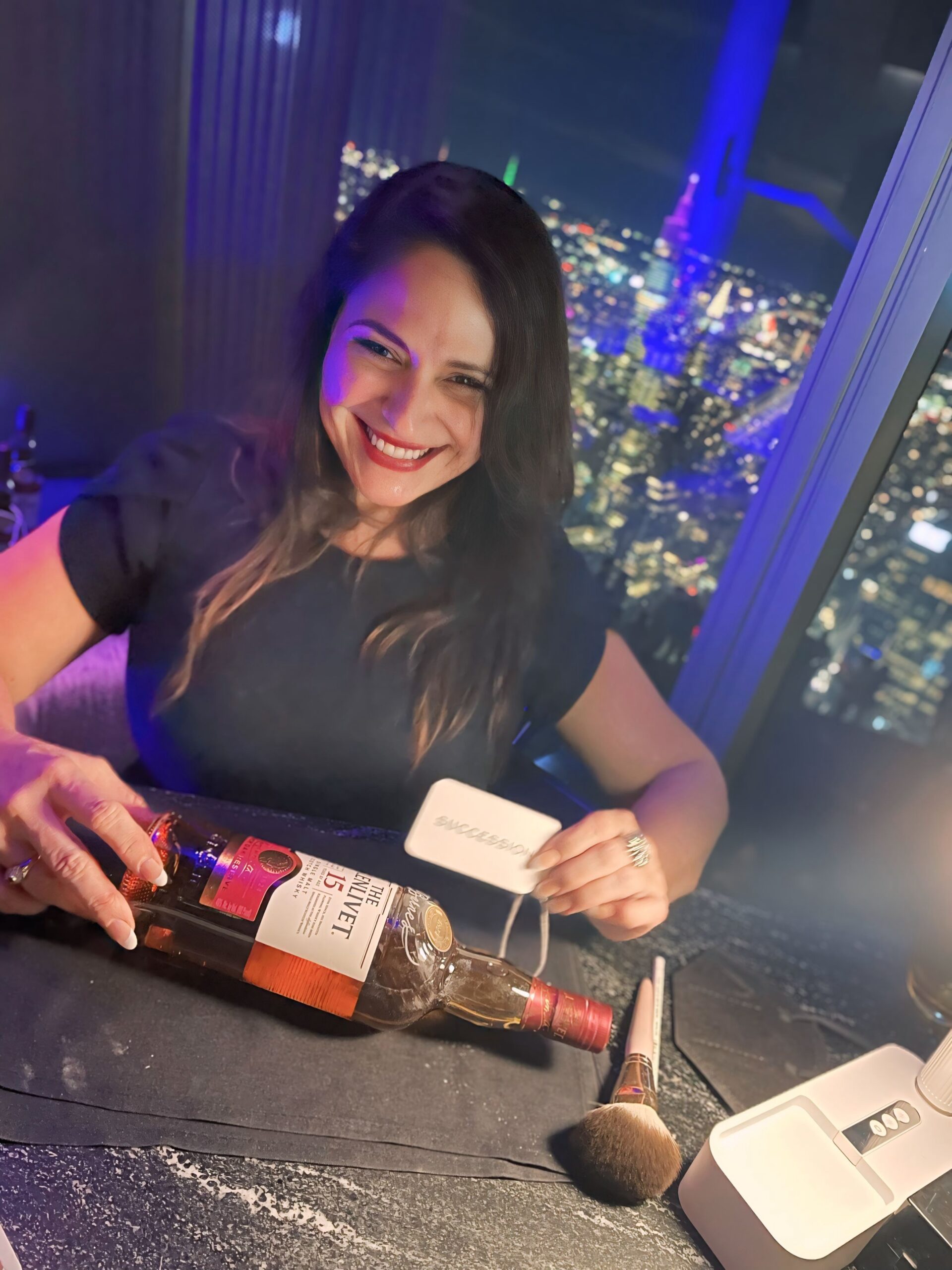
If you’re curious how these skills connect to real-world brand experiences, explore our guide on Live Event Activations for Luxury Brands for inspiration on how artistry enhances brand storytelling.
Beyond commercial potential, these skills provide creative satisfaction increasingly rare in automated contexts. The meditative focus required for quality lettering offers stress relief and accomplishment that digital work rarely delivers.
Learning calligraphy or engraving also develops broader artistic capabilities. The precision, patience, and aesthetic judgment these crafts demand transfer beneficially to other creative pursuits.
Starting Your Calligraphy Journey
Essential Supplies for Beginners
Begin with basic but quality supplies rather than premium professional equipment. Starter kits typically include several nib sizes, a basic pen holder, ink, and practice paper.
Invest approximately $30-50 in initial supplies. This modest investment lets you explore seriously without major financial commitment before determining your interest level.
Avoid ultra-cheap supplies that frustrate rather than facilitate learning. Poorly made nibs catch on paper, while low-quality ink flows inconsistently, making progress difficult regardless of your effort.
Fundamental Techniques
Master basic strokes before attempting complete letters. Upstrokes should be light and thin while downstrokes use pressure for thick lines. This contrast creates calligraphy’s characteristic beauty.
Practice consistency in letter heights, spacing, and angles. Guide sheets with printed lines help maintain proper proportions during early practice.
Expect significant practice before achieving satisfying results. Most beginners require 20-30 hours of dedicated practice before producing presentable basic lettering.
For extra practice advice and insights into physical setup, left-handed learners can benefit from our Left-Handed Calligraphy Tips.
Online Learning Resources
Numerous online platforms offer structured calligraphy instruction at various investment levels.
Free YouTube tutorials provide introduction to techniques and styles, helping you determine interest before paid courses. Search for specific styles like “modern calligraphy tutorial” or “copperplate basics.”
Skillshare and Udemy offer comprehensive courses for $15-50 covering specific calligraphy styles with structured lessons and practice exercises.
Specialized calligraphy platforms like The Postman’s Knock provide in-depth instruction from recognized artists through membership models or individual course purchases.
If you’re comparing course formats, read our post on In-Person vs. Online Calligraphy Courses to decide which learning style fits your goals best.
In-Person Workshops
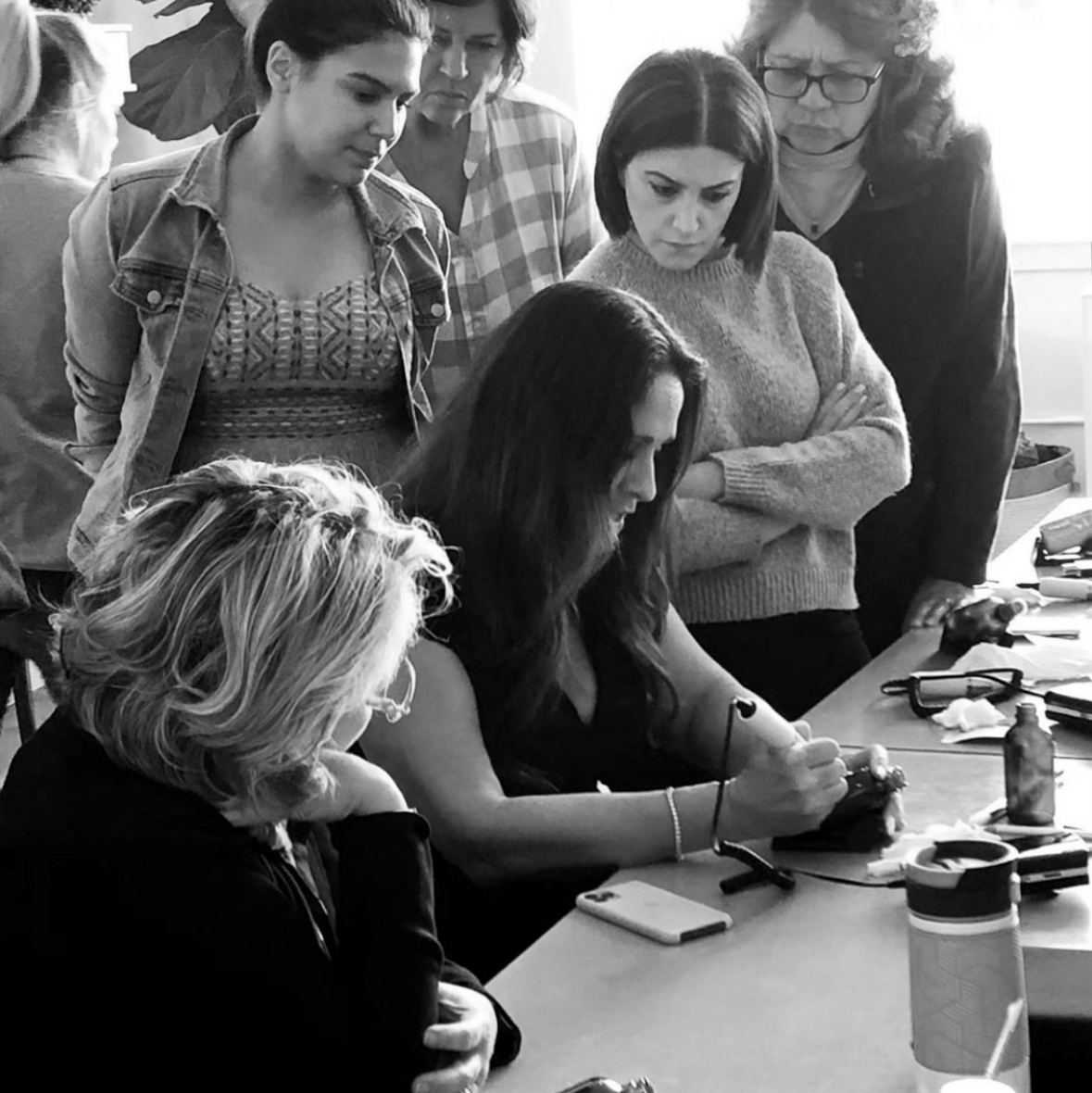
Local workshops offer hands-on instruction with immediate feedback impossible through online learning. Many art supply stores, community centers, and calligraphy societies host beginner classes.
Weekend workshops typically cost $75-200 and provide intensive introduction including supplies. The focused immersion accelerates learning compared to self-paced online study.
In-person learning also builds community connections with fellow students and instructors who provide ongoing support and inspiration.
Exploring Different Calligraphy Styles
Modern Calligraphy
Modern calligraphy emphasizes flowing, relaxed letterforms rather than rigid traditional rules. This forgiving style suits beginners while allowing creative expression.
The contemporary aesthetic appeals strongly to current markets, making modern calligraphy commercially viable for new artists.
Copperplate
Copperplate represents traditional formal calligraphy characterized by precise, elegant letterforms. The style demands discipline and practice but creates timelessly beautiful results.
Mastering Copperplate provides strong foundational understanding of proportions and technique that benefits all calligraphy work.
Gothic/Blackletter
Gothic calligraphy features bold, angular letters evoking medieval manuscripts. The dramatic style suits specific aesthetic preferences and creates striking visual impact.
While less commercially versatile than modern or Copperplate styles, Gothic calligraphy appeals to niche markets seeking distinctive period aesthetics.
Beginning Hand Engraving
Understanding Engraving Equipment
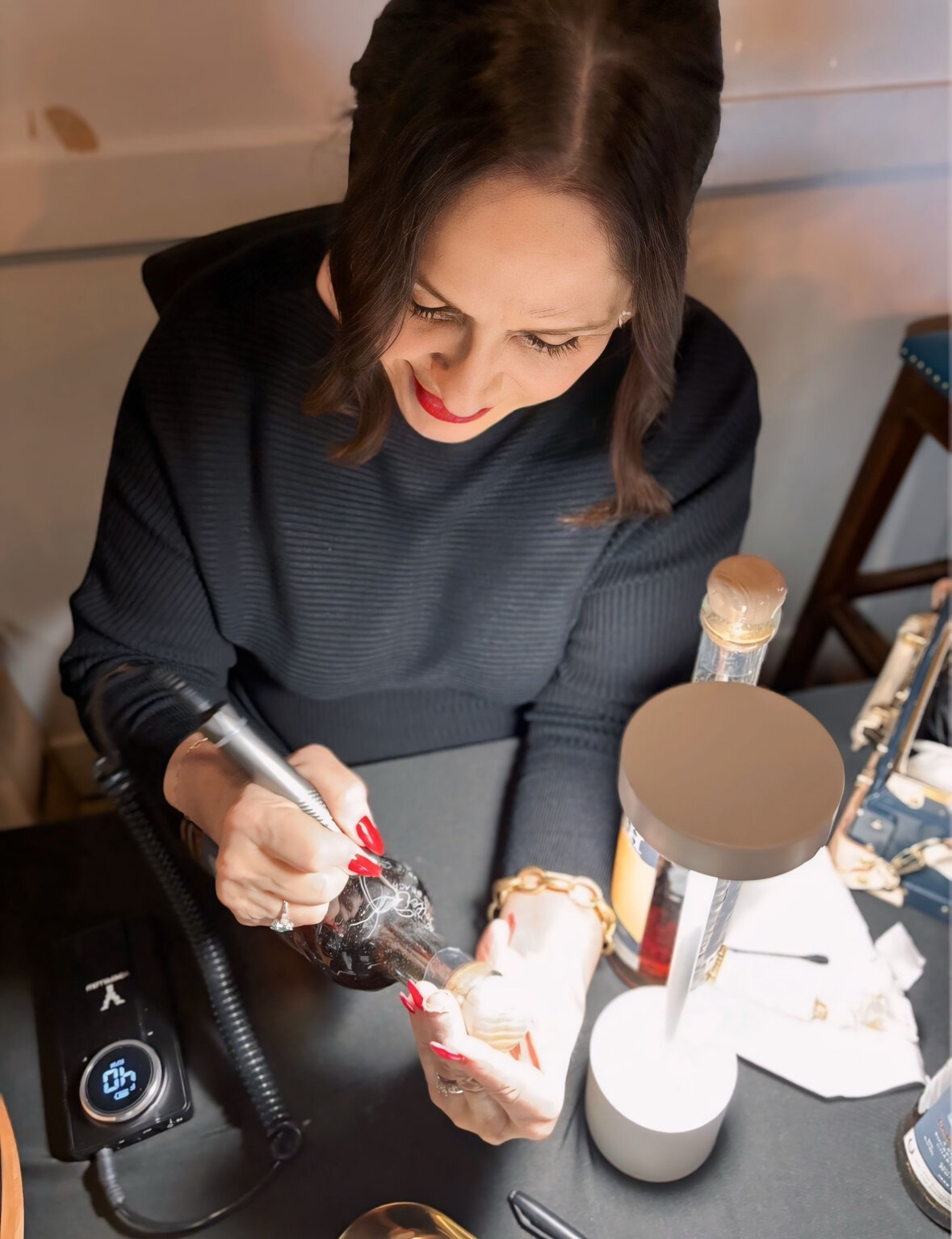
Hand engraving uses specialized rotary tools with various burr attachments for different effects. Beginner-friendly electric engravers cost $150-300 and handle most common materials.
Professional pneumatic systems cost $800-2000 but offer superior control and power for full-time artists. Start with electric tools before investing in pneumatic equipment.
Burrs come in numerous shapes and sizes affecting line quality and engraving style. Build your collection gradually as you identify needs rather than buying complete sets immediately.
For detailed beginner-friendly setup, see our Hand Engraving Tools Beginner’s Guide.
Material Considerations
Begin practicing on glass it’s forgiving, inexpensive, and represents common engraving requests. Purchase plain glass items from thrift stores for guilt-free practice.
If you’re curious which surfaces work best, check out our comparison of Glass Engraving vs. Hot Foiling for Events.
Different materials require adjusted techniques. Metal needs more pressure than glass, while stone demands specific burr types. Expand material expertise progressively rather than attempting everything simultaneously.
Safety First
Always wear safety glasses when engraving. Glass and metal particles become projectiles potentially causing serious eye injury.
Work in well-ventilated spaces, especially when engraving treated surfaces that might release fumes. Dust masks provide additional respiratory protection during extended sessions.
Keep tools properly maintained. Dull burrs require excessive pressure that compromises control and safety.
Learning Resources
Fewer structured courses exist for engraving compared to calligraphy, but resources are available for dedicated learners.
YouTube channels from professional engravers demonstrate techniques, equipment use, and troubleshooting. Search “hand engraving tutorial” or specific materials like “glass engraving techniques.”
Some tool manufacturers offer instructional materials with equipment purchases. These product-specific guides help you maximize your specific setup’s capabilities.
Consider mentorship or apprenticeship with established engravers. Many professionals welcome motivated students willing to assist in exchange for hands-on learning.
Developing Your Artistic Voice
Generic skill replication gets you started, but developing distinctive style differentiates professional artists from hobbyists.
Study diverse lettering and engraving styles, noting what resonates personally. Your unique perspective influences how you interpret techniques and create original work.
Experiment regularly with variations. Try unconventional materials, combine unexpected style elements, or develop signature flourishes that become recognizable as your work.
Document your evolution through photos of practice pieces. Reviewing progress motivates continued development while revealing stylistic patterns emerging naturally in your work.
Building Commercial Skills
Artistic skill alone doesn’t guarantee business success. Understanding client needs, project management, and pricing proves equally important.
Practice Real-World Scenarios
Create sample wedding invitations, event signage, and gift items reflecting actual commission types. This prepares you for client work while building portfolio pieces.
If you’re planning to offer calligraphy at weddings, learn how pricing works in our Live Calligrapher Wedding Cost Florida breakdown.
Time yourself completing pieces to understand realistic project timelines. Underestimating time commitments leads to underpricing or missed deadlines that damage professional reputations.
Develop Your Portfolio
Curate your best work into professional portfolio showcasing range and quality. Include various styles, materials, and project types demonstrating versatility.
Photograph work professionally with good lighting and clean backgrounds. Quality presentation significantly influences potential clients’ perceptions of your capabilities.
Learn Business Fundamentals
Understand pricing that accounts for materials, time, overhead, and profit margins. Many new artists underprice severely, creating unsustainable business models.
For guidance, explore our detailed Live Calligraphy Pricing Guide to learn how to set rates that reflect your value.
Study contracts, client communication, and project scoping. Professional business practices separate successful artists from talented hobbyists struggling to maintain viability.
Continuing Education and Mastery
Even accomplished artists benefit from ongoing learning that refines skills and introduces new techniques.
Advanced Workshops
Intensive workshops from master calligraphers or engravers provide expertise beyond self-study. These events typically cost $300-1000 but deliver concentrated skill development.
The networking opportunities at advanced workshops prove as valuable as instruction itself. Connections with peers and master artists open collaboration and mentorship opportunities.
Certification Programs
Several calligraphy organizations offer certification recognizing accomplished skill levels. While not required for professional work, certifications demonstrate commitment and expertise to potential clients.
The structured skill assessment involved in certification also identifies specific areas for continued development.
Teaching as Learning
Teaching beginners reinforces your own understanding while developing communication skills valuable for client interactions.
Many accomplished artists generate income through teaching classes or workshops supplementing commission work. This diversity creates more stable business models than relying solely on commissions.
Overcoming Common Challenges
Left-Handed Adaptation
Left-handed artists face unique challenges in crafts designed for right-handed practitioners. Special techniques and equipment modifications accommodate left-handed approaches.
For practical strategies and tool recommendations, read our Left-Handed Calligraphy Tips.
Seek instruction specifically addressing left-handed needs rather than struggling to reverse right-handed guidance. Many successful left-handed calligraphers and engravers share adapted techniques.
Maintaining Motivation
Plateaus where progress seems stalled frustrate even dedicated learners. Recognize these as normal parts of skill development rather than indicators of inadequacy.
Join communities of fellow learners for support and accountability. Online forums, local guilds, and social media groups provide encouragement during difficult phases.
Balancing Practice and Projects
Finding time for continued practice while fulfilling client commitments challenges professional artists. Schedule dedicated practice time rather than practicing only when convenient.
Use client projects as learning opportunities by attempting slightly more challenging techniques than you’re completely comfortable with. This pushes skill development while delivering quality work.
The Journey to Mastery
Becoming truly accomplished requires years of dedicated practice 10,000 hours represents common expert development timelines across skilled crafts.
This shouldn’t discourage you. Commercial viability arrives well before mastery. Many artists begin accepting paid commissions within 6-12 months of focused study.
The key lies in realistic expectations, consistent practice, and continuous learning. Progress compounds over time as foundational skills enable increasingly sophisticated work.
Ready to begin your artistic journey? Explore calligraphy and engraving courses designed for aspiring artists at every level.
About the Author:
Carla Schall is a Florida-based luxury calligrapher and live event artist with over 16 years of experience crafting bespoke artwork for weddings, brands, and personal commissions. Her work has appeared in high-profile events across Miami, Tampa, and Palm Beach, where her philosophy remains simple: beauty heals, and art connects.